
Yoga Therapy: Healing the Body and Mind Through Yogic Science
by Hardik Mehta

In today’s fast-paced world, stress, lifestyle disorders, and mental health challenges have become increasingly common. While modern medicine offers many solutions, people are also turning toward holistic healing practices that treat the body and mind together. One such powerful approach is Yoga Therapy.
Yoga therapy is more than just stretching or meditation. It is a structured, therapeutic use of yogic practices designed to support physical, emotional, and mental well-being. By combining traditional yoga techniques with modern understanding of health, yoga therapy has emerged as a valuable complementary approach to overall wellness.
In this blog, we will explore what yoga therapy is, how it works, its benefits, and how individuals and professionals can deepen their understanding of this transformative discipline.
What is Yoga Therapy?
Yoga therapy is the application of yoga practices for therapeutic purposes. Unlike general yoga classes that focus on fitness or flexibility, yoga therapy uses specific techniques tailored to support particular health conditions or wellness goals.
These practices may include:
- Yoga postures (asanas)
- Breathing techniques (pranayama)
- Meditation and mindfulness
- Relaxation techniques
- Lifestyle guidance
- Yogic philosophy
Yoga therapy works on the principle that the body, mind, and breath are deeply interconnected. By balancing these elements, individuals can improve their physical health while also cultivating emotional resilience and mental clarity.
How Yoga Therapy Works
Yoga therapy addresses health concerns by focusing on the root causes rather than only the symptoms. Many health conditions today are linked to stress, poor posture, sedentary lifestyles, and emotional imbalances. Yogic practices help restore balance to the body’s systems.
Here’s how yoga therapy supports healing:
1. Regulating the Nervous System
Breathing techniques and meditation activate the parasympathetic nervous system, helping the body relax and recover. This reduces stress hormones and promotes overall calmness.
2. Improving Physical Function
Therapeutic yoga postures strengthen muscles, improve flexibility, enhance posture, and support joint health.
3. Enhancing Mind-Body Awareness
Mindful movement and meditation increase awareness of the body and emotions, allowing individuals to respond to stress more consciously.
4. Supporting Lifestyle Changes
Yoga therapy also encourages healthier habits, such as better sleep patterns, mindful eating, and stress management practices.
Benefits of Yoga Therapy
Yoga therapy offers a wide range of benefits for both physical and mental health. Its holistic nature makes it suitable for people of different ages and fitness levels.
1. Stress and Anxiety Management
Regular yoga therapy practices help reduce anxiety and promote emotional stability. Techniques like pranayama and meditation calm the mind and regulate breathing patterns.
2. Chronic Pain Relief
Yoga therapy is commonly used to support individuals dealing with conditions such as:
- Back pain
- Neck pain
- Arthritis
- Migraine
- Joint stiffness
Gentle movements and strengthening exercises help improve mobility and reduce discomfort.
3. Better Posture and Flexibility
Therapeutic yoga sequences gradually correct posture, improve spinal alignment, and increase flexibility.
4. Improved Respiratory Health
Breathing exercises enhance lung capacity and oxygen flow, benefiting individuals with respiratory issues or low energy levels.
5. Emotional Balance
Yoga therapy integrates mindfulness practices that support emotional well-being and mental clarity.
6. Support for Lifestyle Disorders
Yoga therapy may help manage conditions such as:
While yoga therapy does not replace medical treatment, it works as a complementary approach to holistic health care.
Yoga Therapy vs Regular Yoga
Many people wonder how yoga therapy differs from regular yoga classes.
|
Aspect |
Regular Yoga |
Yoga Therapy |
|
Focus |
General fitness and flexibility |
Therapeutic benefits |
|
Approach |
Group classes |
Individualised or condition-specific |
|
Structure |
Standard sequences |
Customized practices |
|
Goal |
Physical fitness |
Healing and wellness |
Yoga therapy requires deeper knowledge of anatomy, physiology, and yogic science, which is why trained professionals are needed to guide therapeutic practices safely.
Who Can Benefit from Yoga Therapy?
Yoga therapy can benefit a wide range of individuals, including:
- People dealing with chronic stress
- Individuals recovering from injuries
- Office workers experiencing posture-related pain
- Seniors looking for gentle physical activity
- People seeking mental clarity and emotional balance
- Anyone interested in holistic wellness
The adaptability of yoga therapy makes it suitable for people with different health conditions and physical abilities.
The Growing Importance of Yoga Therapy in Modern Healthcare
In recent years, yoga therapy has gained recognition in wellness and healthcare communities worldwide. Research studies continue to highlight the effectiveness of yogic practices in improving mental health, reducing stress, and supporting chronic disease management.
Many hospitals, wellness centres, and rehabilitation programs now incorporate yoga therapy as part of integrative healthcare approaches.
This growing acceptance reflects a broader understanding that true health involves a balance between physical, mental, and emotional well-being.
Becoming a Yoga Therapist
As awareness of holistic health grows, the demand for trained yoga professionals is increasing. Becoming a yoga therapist requires structured education, practical experience, and a deep understanding of yogic philosophy.
Professional training programs often include:
- Yogic philosophy and history
- Human anatomy and physiology
- Therapeutic applications of yoga
- Meditation and breathwork techniques
- Teaching methodology
- Ethics and professional practice
Such training helps practitioners develop the knowledge and confidence required to apply yoga in therapeutic contexts.
Learning Yoga Therapy with Sayujya Yoga
For individuals interested in deepening their understanding of yoga and its therapeutic potential, structured training programs can be extremely valuable.
Sayujya Yoga, the best yoga institute in Mumbai, focuses on comprehensive yoga teacher training programs designed to provide students with a strong foundation in traditional yogic knowledge while also addressing modern wellness needs.
Their programs emphasize:
- Authentic yogic philosophy
- Proper alignment and safe practice of asanas
- Pranayama and meditation techniques
- Teaching methodology for aspiring yoga instructors
Although the platform primarily offers teacher training programs rather than personalized therapy sessions, the knowledge gained through such training equips future yoga teachers with a deeper understanding of how yoga can support physical and mental well-being.
Students who complete structured training programs gain the skills necessary to guide others toward healthier lifestyles using yogic principles.
For anyone passionate about yoga, wellness, and mindful living, learning through an experienced training platform can be a transformative step in both personal growth and professional development.
The Future of Yoga Therapy
As the global wellness movement continues to expand, yoga therapy is likely to play an increasingly important role in preventive healthcare and holistic healing.
People are becoming more aware that long-term health cannot rely solely on medication or quick fixes. Instead, sustainable well-being comes from balanced lifestyles, mindful practices, and deeper self-awareness.
Yoga therapy offers a practical pathway toward this balance by integrating ancient wisdom with modern health understanding.
Whether someone is seeking stress relief, improved physical health, or deeper spiritual awareness, yoga therapy provides tools that support lasting transformation.
Yoga therapy represents a powerful blend of ancient wisdom and modern health practices. By addressing the body, mind, and breath together, it offers a holistic approach to healing and wellness.
From managing stress and chronic pain to improving posture and emotional balance, yoga therapy provides practical tools that help individuals reconnect with their inner well-being.
As awareness of holistic health continues to grow, yoga therapy will remain an important part of the global wellness landscape. Whether through personal practice or professional training, embracing yogic science can lead to a healthier and more balanced life
About the Author
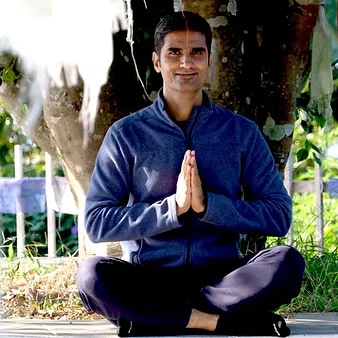
Hardik Mehta
Hardik is an E-RYT 500 & YACEP (Yoga Alliance Continuing Education Provider), Yoga Alliance, USA. He has been practicing yoga for the last 9 years. Prior to finding his true calling in Yoga, he was working with various corporates for 12 years in the Retail and eCommerce sector.