
Yoga vs Gym: Understanding the Best Fitness Choice for Your Lifestyle
by Hardik Mehta

As modern lifestyles become increasingly demanding, maintaining good health and physical fitness has become a priority for many people. Whether your goal is to lose weight, build strength, improve flexibility, or simply lead a healthier lifestyle, choosing the right fitness approach can make all the difference. One of the most common debates among fitness enthusiasts is Yoga vs Gym: Which is Better?
The truth is that both yoga and gym workouts offer remarkable health benefits. However, they differ significantly in their methods, objectives, and long-term impact on physical and mental well-being. Knowing how these two approaches differ can help you select the one that best supports your fitness aspirations and lifestyle.
If you’re considering a career in yoga education or wish to gain a deeper understanding of yogic practices, learning the philosophy behind yoga through an advanced teacher training program can provide insights that go far beyond physical exercise.
Let’s explore how yoga and gym workouts compare across various aspects of health and fitness.
Understanding Yoga
Yoga is an ancient discipline that originated in India thousands of years ago. While many people associate yoga with stretching and flexibility, it is actually a holistic system that integrates the body, mind, and breath.
A traditional yoga practice includes:
- Asanas (physical postures)
- Pranayama (breathing techniques)
- Meditation
- Relaxation practices
- Yogic philosophy
Unlike conventional workouts, yoga focuses on developing inner awareness while improving physical health.
Understanding Gym Workouts
Gym training is primarily designed to improve physical fitness through structured exercise programs. Depending on individual goals, gym workouts may include:
- Weight training
- Cardiovascular exercises
- Functional training
- HIIT (High-Intensity Interval Training)
- Resistance training
Gym workouts are often goal-oriented, targeting muscle growth, fat loss, athletic performance, or endurance.
Yoga vs Gym: Key Differences
1. Overall Purpose
Yoga is a holistic practice that nurtures both physical health and mental well-being, encouraging a balanced connection between the two.
Gym workouts primarily aim to improve physical performance by increasing strength, muscle mass, cardiovascular endurance, or calorie expenditure.
If your goal is complete well-being rather than physical appearance alone, yoga offers a broader approach.
2. Physical Strength
Many people assume yoga doesn’t build strength. In reality, advanced yoga postures require tremendous muscular control and endurance.
Practices such as:
- Chaturanga Dandasana
- Bakasana (Crow Pose)
- Pincha Mayurasana
- Handstands
engage multiple muscle groups simultaneously.
If your main goal is to increase muscle size or pursue bodybuilding, structured resistance training at the gym is generally more effective in delivering quicker results.
Winner:
- Muscle size → Gym
- Functional strength → Yoga
3. Flexibility and Mobility
One of yoga’s greatest strengths is improving flexibility and joint mobility.
Regular practice gradually:
- Lengthens muscles
- Increases range of motion
- Improves posture
- Reduces muscular stiffness
Although stretching is often included in gym workouts, improving flexibility is generally a secondary objective rather than the primary focus.
Winner: Yoga
4. Mental Health
Modern lifestyles often involve chronic stress, anxiety, and mental fatigue.
Yoga directly addresses these issues through:
- Breath awareness
- Meditation
- Mindfulness
- Nervous system regulation
Scientific studies have shown that yoga may help reduce stress hormones while improving emotional resilience and concentration.
Gym workouts also improve mood by releasing endorphins, but yoga adds a deeper layer of mental relaxation and emotional balance.
Winner: Yoga
5. Weight Loss
Both yoga and gym workouts can support healthy weight management.
Gym exercises generally burn more calories during the workout because of higher intensity.
Yoga contributes to sustainable weight loss by:
- Improving metabolism
- Reducing stress-related eating
- Supporting hormonal balance
- Encouraging mindful eating habits
Dynamic styles such as Vinyasa Yoga and Power Yoga also provide excellent cardiovascular benefits.
Winner:
- Fast calorie burn → Gym
- Sustainable lifestyle change → Yoga
6. Injury Risk
Heavy lifting and high-intensity workouts may increase the risk of injuries if performed with improper technique.
Yoga, when practiced under proper guidance, is generally lower impact and suitable for a wide range of age groups.
However, advanced poses should also be learned progressively to avoid strain.
Winner: Yoga
7. Long-Term Sustainability
Many people find gym routines difficult to maintain over time due to:
- Repetitive workouts
- Time constraints
- Physical exhaustion
Yoga adapts easily to different ages, fitness levels, and life stages.
Whether someone is 18 or 70, yoga can be modified to suit individual abilities, making it easier to continue consistently.
Winner: Yoga
Comparing Yoga and Gym Side by Side
|
Aspect |
Yoga |
Gym |
|
Strength |
Functional strength |
Muscle building |
|
Flexibility |
Excellent |
Moderate |
|
Weight Loss |
Gradual and sustainable |
Faster calorie burn |
|
Mental Health |
Outstanding |
Good |
|
Stress Reduction |
Excellent |
Moderate |
|
Cardiovascular Fitness |
Moderate (higher in dynamic styles) |
Excellent |
|
Injury Risk |
Lower with proper guidance |
Higher if technique is poor |
|
Equipment Needed |
Minimal |
Often extensive |
|
Suitable for All Ages |
Yes |
Depends on intensity |
|
Mind-Body Connection |
Strong |
Limited |
Can Yoga Replace the Gym?
The answer depends on your personal fitness goals.
Yoga can effectively replace the gym if your goals include:
- Better flexibility
- Improved posture
- Stress management
- Functional strength
- Healthy mobility
- Mental clarity
- Overall wellness
However, if you aim to become a competitive bodybuilder or significantly increase muscle mass, gym-based resistance training remains highly effective.
Many fitness professionals now recommend combining both practices.
Why Combining Yoga and Gym May Be the Best Choice
Instead of viewing yoga and gym training as competitors, think of them as complementary.
For example:
Gym helps you:
- Build muscle
- Improve cardiovascular endurance
- Increase power
- Burn calories efficiently
Yoga helps you:
- Recover faster
- Improve flexibility
- Prevent injuries
- Enhance breathing efficiency
- Improve focus
- Reduce stress
Athletes across various sports increasingly include yoga in their training routines because it enhances performance while reducing the likelihood of injuries.
The Deeper Purpose of Yoga
One of the biggest misconceptions is that yoga is simply another workout.
Traditional yoga teaches much more than physical movement.
It encourages practitioners to cultivate:
- Self-awareness
- Discipline
- Emotional resilience
- Compassion
- Concentration
- Inner balance
These qualities extend beyond the yoga mat and positively influence personal relationships, work, decision-making, and overall quality of life.
This holistic perspective is what distinguishes yoga from many conventional fitness approaches.
Which One Should You Choose?
Choose Yoga if you want:
- Better flexibility
- Reduced stress
- Improved posture
- Greater mental clarity
- Sustainable wellness
- A holistic lifestyle
Choose the Gym if you want:
- Rapid muscle growth
- Athletic performance
- Strength training
- High-intensity fitness
- Bodybuilding
Choose Both if you want the best balance of physical fitness, mobility, and mental well-being.
Ultimately, the most effective fitness routine is the one you enjoy and can maintain consistently.
Learn the Science and Philosophy of Yoga with Sayujya Yoga
For those who wish to move beyond practicing yoga and truly understand its depth, Sayujya Yoga, one of the best yoga institutes in Mumbai, offers an enriching learning experience through its Advanced Yoga Teacher Training Course (Advanced YTTC).
The program is designed for yoga practitioners and aspiring teachers who want to deepen their knowledge of yoga beyond physical postures. Students explore advanced asana practice, pranayama, meditation, yogic philosophy, anatomy, alignment principles, and traditional teaching methodologies.
Understanding topics like “Yoga vs Gym” becomes more meaningful when viewed through the lens of authentic yogic wisdom. Rather than seeing yoga as merely a fitness routine, participants learn how it supports physical health, mental balance, and personal growth as a complete lifestyle.
Whether your goal is to enhance your own practice or become a knowledgeable yoga teacher, Sayujya Yoga’s Advanced YTTC provides a comprehensive foundation rooted in traditional teachings while remaining relevant to modern practitioners.
Final Thoughts
The debate over Yoga vs Gym doesn’t have a universal winner because each serves different purposes. The gym excels at building muscle, improving athletic performance, and increasing physical power, while yoga offers a holistic approach that nurtures the body, mind, and breath together.
If your objective is lifelong wellness, resilience, flexibility, and inner balance, yoga provides benefits that extend far beyond physical fitness. On the other hand, if muscle growth and high-intensity training are your primary goals, the gym may be the better fit.
For many people, the ideal solution is to combine the strengths of both. A balanced routine that includes gym workouts for strength and yoga for recovery, mobility, and mindfulness can support optimal health and sustainable fitness for years to come.
About the Author
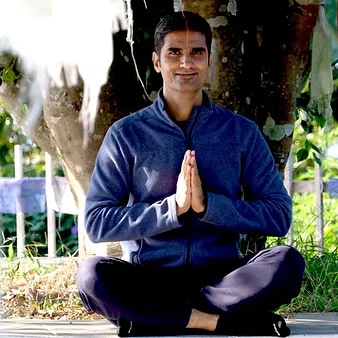
Hardik Mehta
Hardik is an E-RYT 500 & YACEP (Yoga Alliance Continuing Education Provider), Yoga Alliance, USA. He has been practicing yoga for the last 9 years. Prior to finding his true calling in Yoga, he was working with various corporates for 12 years in the Retail and eCommerce sector.