
What to Eat Before and After Yoga: A Simple Guide to Follow
by Hardik Mehta

Yoga is more than a physical workout. It is a practice that brings together movement, breath, awareness, and balance. But while much of yoga focuses on what happens on the mat, what you eat before and after your practice can also influence how you feel, move, and recover.
Whether you practise gentle Hatha Yoga, dynamic Vinyasa, restorative yoga, or are undergoing an Advanced Yoga Teacher Training Course (YTTC), understanding what to eat before and after yoga can help you approach your practice with greater awareness.
The goal is not to follow a rigid “yoga diet.” Instead, it is about understanding your body’s needs, choosing foods that support digestion and energy, and learning to eat mindfully.
Why Does Nutrition Matter in Yoga?
Yoga may look less demanding than conventional exercise, but certain styles can provide a significant physical challenge. Dynamic sequences, prolonged asanas, inversions, strength-based postures, and heated practices can all increase the body’s energy and hydration requirements.
At the same time, yoga involves forward bends, twists, abdominal engagement, inversions, and deep breathing. Practising immediately after a heavy meal can therefore feel uncomfortable and distracting. A lighter stomach generally makes it easier to move, breathe, and concentrate.
This makes yoga nutrition an important part of a well-rounded practice.
What to Eat Before Yoga?
The best pre-yoga food depends on when you are practising, the intensity of your session, and how your body responds to food.
For many people, the simplest principle is: keep it light and easy to digest.
If you have eaten a full meal, allowing around 2–3 hours before a vigorous yoga practice is a practical guideline. If you need something closer to class, a small snack 30–60 minutes beforehand may be more comfortable. Individual digestion varies, so your own response should always guide you.
1. Choose Easily Digestible Carbohydrates
Carbohydrates can provide readily available energy, particularly before a longer or more active session.
Good options include:
- Banana
- Dates
- Seasonal fruits
- A small bowl of berries
- Toast with a little nut butter
- A small smoothie
- Oatmeal, if you have enough time to digest it
A banana, for example, can be a convenient option when you need something light before an early morning practice.
2. Add a Small Amount of Protein When Appropriate
If you have more time before your session, a modest amount of protein can be included in your meal or snack. Plant-based options such as yoghurt, nuts, seeds, or tofu can work well depending on individual tolerance.
However, there is no need to turn a pre-yoga snack into a large high-protein meal.
3. Don’t Forget Hydration
Hydration is another important part of nutrition for yoga practice. Start your day with water and continue drinking according to your thirst and the conditions of your practice.
For longer, heated, or particularly sweaty sessions, fluid and electrolyte replacement become more relevant. Coconut water and water-rich foods can be useful options.
Foods to Avoid Before Yoga
Knowing what not to eat before yoga can be just as useful.
Try to avoid large amounts of:
- Fried or greasy foods
- Very heavy meals
- Extremely spicy foods
- Large portions
- Foods that you personally know cause bloating or discomfort
Why? Because yoga asks your body to bend, twist, compress, stretch, and sometimes turn upside down. A heavy stomach can make these movements uncomfortable.
There is no universal list of “bad foods,” however. Your digestive response matters. A food that works perfectly for one practitioner may not work for another.
Listen to your body rather than following food rules blindly.
What to Eat After Yoga?
After yoga, the focus shifts from preparing the body for movement to replenishing and recovering.
The nutritional requirements depend on the practice. A gentle 30-minute restorative session will not place the same demands on your body as a vigorous 90-minute Vinyasa, Power Yoga, or hot yoga class.
For a more physically demanding practice, combining protein, carbohydrates, healthy fats, micronutrients, and fluids can support recovery.
1. Include Protein for Recovery
Protein provides amino acids needed for tissue maintenance and muscle repair.
Vegetarian and plant-based options include:
- Dal
- Paneer
- Curd or Greek yoghurt
- Tofu
- Tempeh
- Lentils
- Chickpeas
- Beans
- Quinoa
- Nuts and seeds
A simple post-yoga meal could be a bowl of dal with rice and vegetables, or a quinoa bowl with tofu and colourful vegetables.
2. Replenish With Carbohydrates
Carbohydrates help restore energy stores, particularly after longer or more vigorous practices.
Good choices include:
- Brown or regular rice
- Oats
- Whole-grain roti
- Quinoa
- Sweet potatoes
- Fruits
- Whole-grain bread
You do not need to eliminate carbohydrates simply because you practise yoga. Instead, choose portions and foods that suit your energy requirements.
3. Add Healthy Fats
Healthy fats can contribute to a balanced meal and help with the absorption of certain fat-soluble vitamins.
Try incorporating:
- Almonds
- Walnuts
- Chia seeds
- Flaxseeds
- Pumpkin seeds
- Avocado
- A moderate amount of ghee or healthy cooking oils
The key is balance rather than excess.
4. Rehydrate After Practice
Don’t overlook fluids after yoga.
If your session involved considerable sweating, especially in a hot environment, replacing fluids is important. Water is usually the simplest choice, while foods such as watermelon, oranges, cucumber, bananas, or coconut water can also contribute to hydration.
How Long Should You Wait to Eat After Yoga?
There is no need to treat post-yoga eating as a race.
A short period to settle down after practice can feel comfortable, particularly after pranayama, meditation, or a deeply relaxing session. After that, you can eat according to your hunger and the intensity of your practice.
For a demanding session, having a balanced snack or meal within the following couple of hours can support recovery. Current exercise-nutrition guidance also suggests that the often-discussed “30-minute anabolic window” is not as rigid as it is sometimes presented.
In other words, consistency and overall nutrition matter more than obsessing over a precise minute-by-minute eating schedule.
What to Eat Before Morning Yoga?
Morning yoga raises a common question: Should you practise on an empty stomach?
There is no single answer for everyone.
Some people feel comfortable practising after waking up without eating, particularly for gentle or moderate sessions. Others may feel weak, light-headed, or distracted by hunger.
If you need something before practice, keep it small:
Option 1: Banana + a few almonds
Option 2: Dates + water
Option 3: Small fruit bowl
Option 4: Light smoothie
Option 5: Toast with a small amount of nut butter
The important thing is to discover what allows your body to feel comfortable and energetic.
What to Eat After Morning Yoga?
Morning yoga can be followed by a more substantial breakfast.
Some balanced post-yoga breakfast ideas include:
Option 1: Nourishing Indian Breakfast
Vegetable poha + curd + seasonal fruit
Option 2: Protein-Rich Breakfast
Moong dal chilla + paneer or curd + vegetables
Option 3: Simple Bowl
Oats + banana + nuts + seeds
Option 4: Balanced Traditional Meal
Vegetable upma + yoghurt + fruit
Option 5: Smoothie Bowl
Banana + berries + yoghurt + seeds + oats
The objective is not to create a complicated “yoga meal.” It is simply to build a nourishing, balanced meal that works with your lifestyle.
What About Food During Yoga Teacher Training?
Nutrition becomes particularly interesting during a Yoga Teacher Training Course because students may spend several hours each day studying philosophy, anatomy, asana, pranayama, meditation, and teaching methodology.
During an Advanced YTTC, food is not simply about getting through a class. It can become an opportunity to explore the relationship between nourishment, awareness, digestion, energy, and practice.
Students can learn to observe questions such as:
- Does a heavy meal affect my asana practice?
- Which foods help me feel energetic without feeling heavy?
- How does hydration affect my concentration?
- Do my food choices change according to practice intensity?
- Am I eating because I am hungry, or simply because it is mealtime?
This approach encourages mindful eating rather than restrictive eating.
It is also important to remember that traditional yogic approaches to food can differ from modern sports-nutrition principles. Rather than treating one system as universally correct, practitioners can learn from both perspectives while considering individual needs, culture, digestion, activity levels, and professional dietary advice where required.
A Simple Before-and-After Yoga Food Guide
|
Timing |
Food Approach |
Examples |
|
2–3 hours before |
Light, balanced meal |
Roti + vegetables + dal |
|
30–60 minutes before |
Small, easily digested snack |
Banana, dates, fruit |
|
During practice |
Hydration as needed |
Water |
|
After gentle yoga |
Normal balanced meal when hungry |
Dal, rice, vegetables |
|
After intense yoga |
Protein + carbohydrates + fluids |
Tofu bowl, dal-rice, yoghurt + oats |
Remember: these are general guidelines, not strict rules. Your practice style, health, digestion, schedule, and nutritional requirements should influence your choices.
The Connection Between Yoga, Food and Awareness
Yoga teaches us to observe.
We observe the breath.
We observe sensations.
We observe movement.
We observe the mind.
Food can become another part of that awareness.
Instead of asking only, “What is the best food before yoga?”, consider asking:
“What food helps my body feel supported, light, energised and comfortable during practice?”
Similarly, after yoga, instead of focusing solely on calories or restrictions, consider what will genuinely nourish and replenish you.
This shift from rigid rules to conscious observation reflects one of the deeper possibilities of yoga.
Learn More Through Sayujya Yoga’s Advanced YTTC
For those who want to move beyond practising yoga for themselves and develop a deeper understanding of yoga as a discipline, teacher training can provide a much broader perspective.
Sayujya Yoga offers Yoga Teacher Training programs, including its Advanced YTTC, where students explore different dimensions of yoga education and practice.
Understanding nutrition around yoga fits naturally into this larger learning journey. A yoga teacher does not simply teach postures; developing a well-rounded understanding of practice also involves appreciating how lifestyle, breath, awareness, discipline, and nourishment interact.
The topic of what to eat before and after yoga is therefore more than a list of foods. It encourages future teachers and practitioners to understand the body, observe individual responses, and approach yoga as a holistic practice.
Whether you are beginning your yoga journey or deepening it through an Advanced YTTC, learning to nourish yourself consciously can be another meaningful extension of practice—both on and off the mat.
Final Takeaway
The best pre- and post-yoga nutrition does not need to be complicated.
Before yoga, focus on comfort, hydration, and enough energy to practise without feeling heavy. After yoga, focus on replenishment, balanced nutrition, protein, carbohydrates, and hydration, particularly after vigorous sessions.
Most importantly, learn to listen to your body. Yoga is ultimately a practice of awareness, and that awareness can extend all the way to the choices we make at the dining table.
Eat to support your practice, practise to understand your body, and let awareness guide both.
About the Author
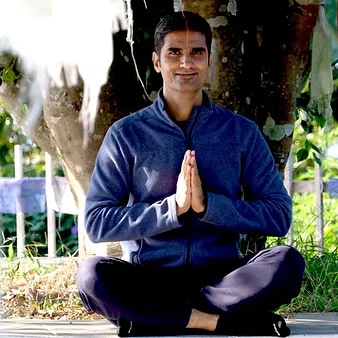
Hardik Mehta
Hardik is an E-RYT 500 & YACEP (Yoga Alliance Continuing Education Provider), Yoga Alliance, USA. He has been practicing yoga for the last 9 years. Prior to finding his true calling in Yoga, he was working with various corporates for 12 years in the Retail and eCommerce sector.