
How Yoga Practice Helps Marathon Runners
by Hardik Mehta
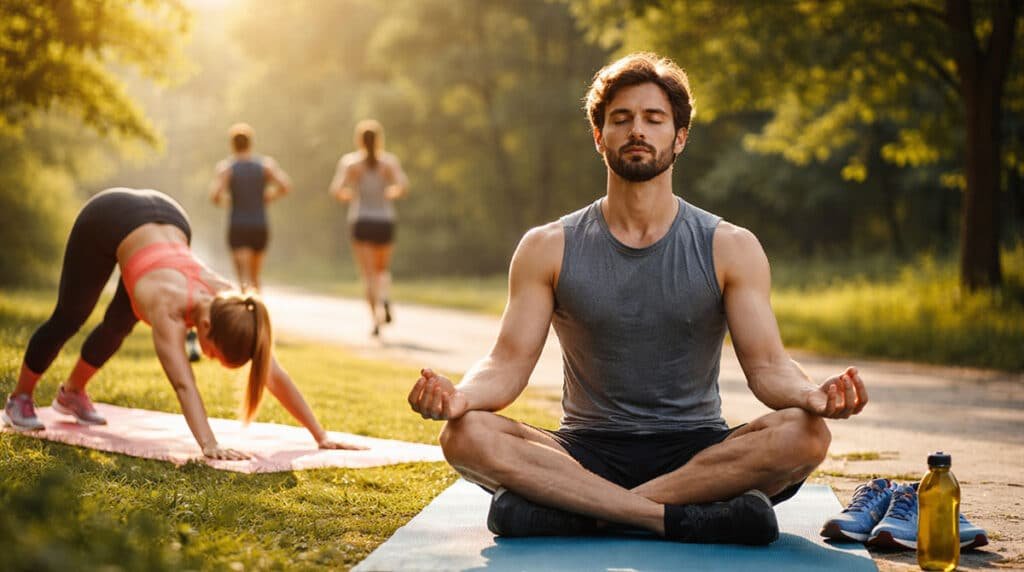
Marathon running is as much a mental game as it is a physical challenge. The months of training, the repetitive mileage, and the constant push to improve pace and endurance can take a toll on the body and mind. While runners often focus on strength training, nutrition, and recovery tools, one powerful practice is sometimes overlooked: yoga.
Yoga for marathon runners is not about becoming more flexible overnight or mastering complex poses. It is about building a resilient body, improving breath control, enhancing focus, and supporting long-term performance. When practiced consistently, yoga becomes a strategic complement to endurance running, helping athletes train smarter, recover faster, and reduce injury risk.
In this blog, we explore how yoga practice supports marathon runners at every stage of their journey—from training and race day to recovery and mental wellbeing.
Understanding the Physical Demands of Marathon Running
Running 42.195 kilometers places repetitive stress on the muscles, joints, and connective tissues. Common challenges faced by marathon runners include:
- Tight hamstrings, hip flexors, and calves
- Reduced ankle and hip mobility
- Core weakness affecting posture and efficiency
- Overuse injuries such as runner’s knee, IT band syndrome, and plantar fasciitis
- Mental fatigue and burnout
Yoga addresses many of these challenges holistically. Unlike isolated exercises, yoga works on flexibility, strength, balance, breathing, and awareness at the same time.
Improved Flexibility and Mobility
One of the most well-known benefits of yoga for runners is improved flexibility. Long-distance running shortens certain muscle groups, especially the hamstrings, hip flexors, glutes, and calves. Over time, this muscle tightness can restrict movement and alter running mechanics.
Regular yoga practice helps lengthen these muscles gently and safely. Poses such as Downward-Facing Dog, Low Lunge, Pigeon Pose, and Seated Forward Fold improve hip and hamstring mobility, allowing runners to move more freely.
Better mobility translates into a longer stride, smoother gait, and reduced strain on joints. For marathon runners, this can mean improved running efficiency and less discomfort during long runs.
Strengthening Supporting Muscles
While running strengthens the legs, it often neglects smaller stabilizing muscles. Weakness in the core, hips, and ankles can lead to imbalances and injuries.
Yoga builds functional strength using bodyweight resistance. Holding poses such as Plank, Chair Pose, Warrior II, and Side Plank activates deep core muscles and stabilizers that support proper running posture.
A strong core helps marathon runners maintain an upright posture even in the later miles of a race, when fatigue sets in. This reduces unnecessary energy loss and protects the lower back.
Enhanced Balance and Body Awareness
Balance is essential for runners, especially when navigating uneven surfaces or fatigued legs during long-distance runs. Yoga improves proprioception—the body’s ability to sense its position in space.
Standing poses like Tree Pose, Warrior III, and Half Moon Pose challenge balance and coordination. Over time, runners develop better control over their movements and greater confidence in their stride.
Increased body awareness also helps runners recognize early signs of overtraining or imbalance, allowing them to make adjustments before injuries develop.
Injury Prevention Through Mindful Movement
Injury prevention is one of the biggest reasons marathon runners turn to yoga. Yoga promotes mindful movement, encouraging runners to listen to their bodies rather than push through pain.
By improving flexibility, strengthening weak areas, and correcting muscular imbalances, yoga reduces the likelihood of common running injuries. Gentle yoga sequences can also improve joint health by increasing circulation and lubrication in the knees, hips, and ankles.
Restorative yoga and yin yoga are particularly helpful during peak training phases, as they support recovery without adding physical stress.
Better Breathing and Endurance
Breath control plays a critical role in endurance sports. Shallow or irregular breathing can lead to early fatigue and reduced oxygen delivery to muscles.
Yoga emphasizes conscious breathing techniques, known as pranayama. Practices such as diaphragmatic breathing, nasal breathing, and controlled exhalations train the respiratory system to work more efficiently.
For marathon runners, improved breathing capacity means better oxygen utilization, steadier pacing, and increased stamina during long runs and races.
Mental Focus and Stress Management
Marathon training requires discipline, patience, and mental resilience. Yoga supports mental wellbeing by calming the nervous system and reducing stress hormones.
Meditation and mindfulness practices within yoga help runners stay present and focused. This mental clarity is valuable during tough training sessions and on race day, when mental strength often determines performance.
Yoga also encourages a healthier relationship with training, helping runners manage anxiety, avoid burnout, and stay motivated throughout their marathon journey.
Faster Recovery and Reduced Muscle Soreness
Recovery is just as important as training. Without adequate recovery, performance plateaus and injury risk increases.
Yoga supports recovery by improving blood circulation, releasing muscle tension, and activating the parasympathetic nervous system. Gentle post-run yoga sequences help flush out metabolic waste and reduce delayed onset muscle soreness (DOMS).
Incorporating yoga on rest days or after intense workouts can help marathon runners feel refreshed and ready for the next training session.
Integrating Yoga Into Marathon Training
Yoga does not need to replace running workouts. Instead, it should complement them. Marathon runners can benefit from:
- Short mobility-focused yoga sessions after runs
- Strength-based yoga on cross-training days
- Restorative or yin yoga during recovery phases
- Breathwork and meditation during taper weeks
Even 20–30 minutes of yoga, practiced consistently, can make a noticeable difference in performance and wellbeing.
Why Yoga Is a Long-Term Practice for Runners
Unlike quick fixes, yoga offers sustainable benefits. It supports runners at every stage—beginners training for their first marathon and experienced athletes aiming for personal bests.
Yoga adapts to individual needs, allowing runners to modify poses and intensity based on training load and physical condition. This adaptability makes yoga a lifelong companion for endurance athletes.
Relevance of Yoga Practice at Sayujya Yoga
For runners seeking a structured and authentic yoga practice, Sayujya Yoga (https://sayujyayoga.in/) offers a holistic approach rooted in traditional yogic principles. It is one of the best yoga institutes in the world. The platform focuses on mindful movement, breath awareness, and balanced strength—key elements that directly support marathon training.
Sayujya Yoga’s practices emphasise alignment, injury prevention, and mental clarity, making them especially relevant for runners looking to enhance performance without overstraining the body. Whether you are recovering from long runs, managing stress during training, or aiming to build long-term resilience, the teachings align naturally with the needs of endurance athletes.
By integrating yoga into a runner’s lifestyle, Sayujya Yoga supports not just physical fitness, but overall wellbeing—helping marathon runners stay consistent, focused, and injury-free.
Yoga practice offers marathon runners a powerful tool to improve flexibility, strength, balance, breathing, and mental focus. It enhances performance while protecting the body from the repetitive stresses of long-distance running.
When practiced consistently, yoga becomes more than a supplement—it becomes a foundation for sustainable running. For marathon runners aiming to train smarter and run stronger, yoga is not optional; it is essential.
About the Author
Hardik Mehta
Hardik is an E-RYT 500 & YACEP (Yoga Alliance Continuing Education Provider), Yoga Alliance, USA. He has been practicing yoga for the last 9 years. Prior to finding his true calling in Yoga, he was working with various corporates for 12 years in the Retail and eCommerce sector.