
How Yoga Helps in Managing Diabetes Naturally and Effectively
by Hardik Mehta

Diabetes has become one of the most common lifestyle-related health conditions worldwide. With rising stress levels, sedentary habits, and unhealthy diets, more people are being diagnosed with Type 2 diabetes at a younger age. While medication and dietary control remain essential, many individuals are now looking for natural and holistic ways to manage diabetes. This is where yoga for diabetes management plays a powerful role.
Yoga is not just about physical flexibility—it is a complete mind-body practice that helps regulate metabolism, improve insulin sensitivity, reduce stress, and support overall well-being. In this blog, we explore how yoga helps in managing diabetes, the science behind it, and how regular practice can significantly improve quality of life for people living with diabetes.
Understanding Diabetes: A Brief Overview
Diabetes is a chronic condition that affects how the body processes glucose (blood sugar). The two most common types are:
- Type 1 Diabetes – The body does not produce insulin.
- Type 2 Diabetes – The body does not use insulin efficiently or produces insufficient insulin.
Over time, uncontrolled diabetes can lead to complications such as heart disease, nerve damage, kidney problems, vision loss, and reduced immunity. This makes long-term management essential—not just symptom control.
Why Lifestyle Plays a Crucial Role in Diabetes Management
Medical research consistently shows that lifestyle modification is a cornerstone of diabetes care. This includes:
- Balanced nutrition
- Regular physical activity
- Stress management
- Adequate sleep
Yoga uniquely combines all these aspects, making it an effective complementary therapy for diabetes management.
How Yoga Helps in Managing Diabetes
1. Improves Insulin Sensitivity
One of the key benefits of yoga for diabetes is its ability to improve insulin sensitivity. Certain yoga asanas gently stimulate the pancreas, encouraging better insulin secretion and utilization.
When insulin sensitivity improves, the body can use glucose more effectively, leading to better blood sugar control.
2. Regulates Blood Sugar Levels
Regular yoga practice helps reduce fasting blood glucose and post-meal sugar spikes. Studies show that people who practice yoga consistently often experience:
- Lower HbA1c levels
- Improved glucose tolerance
- More stable blood sugar fluctuations
This makes yoga an excellent support therapy alongside conventional diabetes treatment.
3. Reduces Stress and Cortisol Levels
Stress is a major contributor to poor diabetes control. When stressed, the body releases cortisol, a hormone that raises blood sugar levels.
Yoga incorporates deep breathing, meditation, and relaxation techniques that activate the parasympathetic nervous system. This helps:
- Reduce stress and anxiety
- Lower cortisol levels
- Improve emotional balance
As a result, blood sugar levels become easier to manage.
4. Supports Healthy Weight Management
Excess weight, particularly abdominal fat, increases insulin resistance. Yoga may not burn calories as aggressively as high-intensity workouts, but it promotes sustainable weight loss by:
- Improving metabolism
- Reducing emotional eating
- Encouraging mindful food choices
Over time, this contributes to healthier body weight and better diabetes control.
5. Improves Digestion and Metabolism
Many yoga poses stimulate digestive organs and improve gut health. A well-functioning digestive system supports:
- Better nutrient absorption
- Improved glucose metabolism
- Reduced bloating and sluggishness
This is especially beneficial for people with Type 2 diabetes, where metabolic health is critical.
6. Enhances Circulation and Nerve Health
Diabetes often affects circulation and nerve function, leading to numbness or tingling sensations. Yoga improves blood circulation and oxygen supply throughout the body, which helps:
- Maintain nerve health
- Reduce stiffness and joint pain
- Improve overall mobility
Gentle yoga practices are especially suitable for older adults and those with limited mobility.
Best Yoga Asanas for Diabetes Management
While yoga should ideally be practiced under guidance, some commonly recommended poses for diabetes include:
- Vajrasana (Thunderbolt Pose) – Aids digestion and metabolism
- Ardha Matsyendrasana (Spinal Twist) – Stimulates the pancreas
- Bhujangasana (Cobra Pose) – Improves insulin function
- Dhanurasana (Bow Pose) – Activates abdominal organs
- Paschimottanasana (Seated Forward Bend) – Helps regulate blood sugar
Consistency matters more than intensity. Even 30–45 minutes of daily yoga can bring noticeable benefits.
The Role of Pranayama and Meditation
Pranayama for Diabetes
Breathing techniques play a vital role in balancing the endocrine system. Effective practices include:
- Anulom Vilom – Balances the nervous system
- Bhramari – Reduces stress and mental fatigue
Meditation and Mindfulness
Meditation helps individuals develop awareness of their body, emotions, and habits. This leads to:
- Better stress control
- Improved self-discipline
- Healthier lifestyle choices
Together, pranayama and meditation create long-term mental and physical stability.
Yoga as a Complementary, Not Replacement, Therapy
It is important to understand that yoga does not replace medical treatment. Instead, it works best as a complementary therapy alongside:
- Prescribed medication
- Regular blood sugar monitoring
- Medical advice
Always consult a healthcare professional before making major changes to your diabetes management plan.
How Sayujya Yoga Supports Holistic Diabetes Management
For those seeking structured and authentic yoga guidance, Sayujya Yoga offers a holistic approach rooted in traditional yogic wisdom.
Sayujya Yoga focuses on more than just physical postures. Their TTC programs emphasize:
- Pranayama and meditation techniques
- Lifestyle awareness and mindfulness
- Long-term health and balance
This aligns perfectly with the principles of diabetes management, where consistency, awareness, and inner balance are key. Whether you are a beginner or someone managing a chronic condition like diabetes, Sayujya Yoga provides a supportive environment to integrate yoga into daily life safely and effectively.
Final Thoughts
Managing diabetes is a lifelong journey, but it does not have to be overwhelming. Yoga offers a natural, sustainable, and holistic way to support blood sugar control, improve mental well-being, and enhance overall quality of life.
By combining physical movement, breath awareness, stress reduction, and mindful living, yoga empowers individuals to take an active role in their health. With consistent practice and the right guidance, yoga can become a powerful ally in managing diabetes naturally.
About the Author
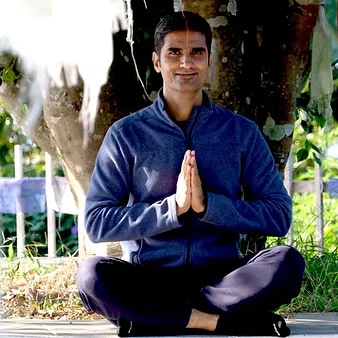
Hardik Mehta
Hardik is an E-RYT 500 & YACEP (Yoga Alliance Continuing Education Provider), Yoga Alliance, USA. He has been practicing yoga for the last 9 years. Prior to finding his true calling in Yoga, he was working with various corporates for 12 years in the Retail and eCommerce sector.