

In the modern, fast-moving world, many people are experiencing rising levels of stress, anxiety, and difficulties with sleep. Many people search for natural and holistic ways to improve their mental and physical well-being. One powerful yet often misunderstood practice that offers profound healing benefits is Yoga Nidra. Often referred to as yogic sleep, Yoga Nidra is not simply relaxation—it is a guided meditative therapy that allows the body and mind to enter a deeply restorative state.
In recent years, Yoga Nidra has gained recognition as an effective therapeutic technique for stress management, emotional balance, and overall wellness. In this blog, we will explore what Yoga Nidra is, how it works as a therapy, its scientifically backed benefits, and how individuals and yoga teachers can integrate this powerful practice into daily life.
What is Yoga Nidra?
Yoga Nidra, which translates to “yogic sleep,” is a guided meditation technique that brings the practitioner into a state between wakefulness and sleep. In this state, the body relaxes completely while the mind remains aware.
The practice was systematized and popularized by Swami Satyananda Saraswati, founder of the Bihar School of Yoga. Unlike traditional meditation that requires focus or concentration, Yoga Nidra involves lying down comfortably while following verbal instructions from a teacher or recording.
During the session, the practitioner is guided through several stages, including:
- Deep physical relaxation
- Awareness of breath
- Rotation of consciousness through the body
- Visualization techniques
- Setting a positive intention (Sankalpa)
This structured method allows the brain to enter alpha and theta brainwave states, which are associated with deep relaxation, creativity, and healing.
Yoga Nidra as a Therapeutic Practice
Yoga Nidra is increasingly used in therapeutic settings, including mental health therapy, trauma recovery, and stress management programs. Because the practice activates the parasympathetic nervous system, it helps the body shift from the stress response (fight or flight) to the relaxation response (rest and restore).
Unlike many relaxation methods, Yoga Nidra works on multiple levels simultaneously—physical, mental, emotional, and subconscious.
1. Stress and Anxiety Relief
One of the most widely known benefits of Yoga Nidra therapy is its ability to reduce stress and anxiety. During the practice, cortisol levels (the stress hormone) decrease, while the body releases calming neurotransmitters.
Many practitioners report feeling:
- Calm and mentally clear
- Less reactive to stress
- Emotionally balanced
Regular Yoga Nidra sessions can help regulate the nervous system, making it an excellent complementary therapy for chronic stress and anxiety disorders.
2. Improved Sleep Quality
Sleep problems such as insomnia and disturbed sleep patterns are becoming increasingly common due to lifestyle pressures and excessive screen time.
Yoga Nidra is often described as “one hour of Yoga Nidra equals four hours of sleep”, although this is a symbolic statement rather than a strict scientific measure. The practice helps the brain move into the theta state, which promotes deep rest and restoration.
People who practice Yoga Nidra regularly often experience:
- Faster sleep onset
- Deeper sleep cycles
- Reduced nighttime awakenings
This makes Yoga Nidra a highly effective natural therapy for insomnia and sleep disorders.
3. Emotional Healing and Trauma Support
Yoga Nidra is also used in trauma-informed therapy programs. Since the practice does not require intense concentration or emotional processing, it provides a safe space for emotional release and healing.
The use of visualization and Sankalpa (intention setting) allows practitioners to gently work with subconscious patterns and emotions.
Studies in psychology and neuroscience suggest that Yoga Nidra can support:
- PTSD recovery
- Emotional regulation
- Reduction of depressive symptoms
For individuals dealing with emotional challenges, Yoga Nidra can serve as a non-invasive therapeutic tool for mental well-being.
4. Physical Healing and Pain Management
Yoga Nidra also has a powerful impact on the body’s healing processes. By promoting deep relaxation, the practice improves circulation, reduces muscle tension, and supports cellular repair.
Research has shown benefits in conditions such as:
- Chronic pain
- Hypertension
- Migraines
- Fatigue disorders
Many hospitals and wellness centers now incorporate Yoga Nidra into integrative medicine programs because it complements conventional medical treatments.
5. Enhancing Self-Awareness and Mindfulness
Beyond its therapeutic benefits, Yoga Nidra also enhances self-awareness and mindfulness. During the practice, individuals become more aware of their thoughts, emotions, and physical sensations.
This heightened awareness helps people:
- Break negative thought patterns
- Improve concentration and clarity
- Develop a deeper connection with themselves
In this sense, Yoga Nidra becomes not only a relaxation practice but also a tool for personal transformation and spiritual growth.
Scientific Perspective on Yoga Nidra

Modern science is increasingly validating what yogic traditions have known for centuries. Studies on Yoga Nidra have shown that the practice can:
- Reduce cortisol levels
- Improve heart rate variability
- Increase alpha brainwave activity
- Promote deep neurological relaxation
Research published in various journals of psychology and complementary medicine highlights that Yoga Nidra may help in managing stress-related disorders, anxiety, and depression.
Because of these findings, Yoga Nidra is now used in:
- Corporate wellness programs
- Military trauma rehabilitation
- Mental health therapy
- Educational stress management programs
This growing scientific recognition strengthens the credibility of Yoga Nidra as a therapeutic modality.
How to Practice Yoga Nidra
Practicing Yoga Nidra is simple and accessible for beginners. Here are the basic steps to experience the practice:
- Find a quiet space
Position yourself comfortably by resting flat on a yoga mat or a soft bed. - Close your eyes and relax your body
Allow the muscles to soften and release tension. - Follow the guided instructions
Listen to a trained teacher or audio guidance. - Observe the breath
Bring gentle awareness to natural breathing. - Set a Sankalpa (intention)
A short positive statement such as “I am calm and balanced.” - Remain aware while deeply relaxed
A typical Yoga Nidra session lasts 20–45 minutes, and even beginners can experience benefits after just a few sessions.
The Growing Importance of Yoga Nidra Training
As awareness of mental health and holistic healing grows, there is an increasing demand for qualified Yoga Nidra instructors. Proper training ensures that teachers understand the structure, psychology, and therapeutic aspects of the practice.
Teachers who focus on Yoga Nidra can skillfully support students in experiencing its profound relaxation and therapeutic benefits.
Training programs often include:
- The philosophy of Yoga Nidra
- Guided meditation techniques
- Understanding brainwave states
- Trauma-sensitive teaching methods
- Designing Yoga Nidra sessions
With the rising popularity of mindfulness and meditation practices, Yoga Nidra training has become an important addition for yoga teachers and wellness professionals.
Learning Yoga Nidra with Sayujya Yoga
For individuals interested in deepening their knowledge of yoga and meditation practices, Sayujya Yoga offers structured yoga teacher training programs.
The platform Sayujya Yoga focuses on comprehensive yoga education designed to help aspiring teachers understand traditional yogic practices in depth. Their training programs guide various aspects of yoga, including meditation, relaxation techniques, and yogic philosophy—foundational elements that support practices like Yoga Nidra.
While the website primarily offers teacher training programs rather than personalized therapy sessions, it plays an important role in preparing yoga instructors who can later introduce therapeutic practices such as Yoga Nidra in their teaching.
By learning through professional training programs, future yoga teachers gain the knowledge and confidence to:
- Guide meditation and relaxation practices
- Understand the therapeutic potential of yoga
- Teach Yoga Nidra in a structured and safe manner
For anyone interested in expanding their understanding of yogic healing practices or pursuing a career in yoga teaching, visiting Sayujya Yoga can be a valuable starting point.
Yoga Nidra is far more than a relaxation technique—it is a powerful therapeutic practice that supports mental, emotional, and physical well-being. By guiding the body into a state of deep rest while keeping the mind aware, Yoga Nidra allows individuals to access profound levels of healing and self-awareness.
As modern science continues to validate its benefits, Yoga Nidra is becoming increasingly popular in wellness centers, therapeutic settings, and yoga teacher training programs.
Whether practiced for stress relief, better sleep, emotional healing, or personal growth, Yoga Nidra offers a gentle yet transformative path toward holistic health.
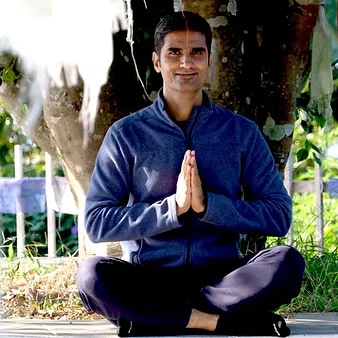
Hardik Mehta
Hardik is an E-RYT 500 & YACEP (Yoga Alliance Continuing Education Provider), Yoga Alliance, USA. He has been practicing yoga for the last 9 years. Prior to finding his true calling in Yoga, he was working with various corporates for 12 years in the Retail and eCommerce sector.