

The rainy season brings a refreshing change in climate, filling the air with coolness and giving nature a fresh new life. The cool breeze, fresh greenery, and soothing sound of rainfall create the perfect atmosphere to slow down and reconnect with yourself. However, the monsoon also comes with its own set of health challenges. Increased humidity, sluggish digestion, joint stiffness, seasonal infections, and low energy levels can affect your physical and mental well-being.
This is where yoga becomes an invaluable practice. By adapting your yoga routine to the changing season, you can strengthen your immunity, improve circulation, enhance digestion, and maintain emotional balance.
Whether you are a beginner, an experienced practitioner, or a yoga teacher in training, understanding the best yoga practices during the rainy season can help you stay healthy throughout the monsoon.
Why Does the Rainy Season Affect Our Health?
According to Ayurveda, the monsoon season is associated with an increase in Vata and an imbalance in digestive fire (Agni). The excess moisture in the environment may lead to:
- Reduced immunity
- Slower metabolism
- Digestive discomfort
- Joint pain and stiffness
- Fatigue and lethargy
- Increased susceptibility to seasonal illnesses
Practising yoga mindfully during this period helps restore balance, improve circulation, and keep both body and mind resilient.
Benefits of Practising Yoga During the Rainy Season
Regular yoga practice during the monsoon offers numerous physical and mental health benefits.
1. Strengthens Immunity
Consistent movement stimulates the lymphatic system, helping the body eliminate toxins more efficiently. Gentle stretching, breathing practices, and mindful relaxation improve overall immune function.
2. Improves Digestion
Gentle spinal twists and core-focused yoga poses encourage healthy digestion by activating the abdominal organs, helping ease bloating and support efficient metabolism.
3. Relieves Joint Stiffness
Humidity often causes muscles and joints to feel tight. Yoga enhances flexibility and lubricates the joints, reducing discomfort.
4. Boosts Energy Levels
Rainy weather often makes people feel sleepy or inactive. Yoga increases oxygen flow throughout the body, naturally improving alertness and vitality.
5. Supports Mental Well-being
The monsoon season can sometimes influence mood due to reduced sunlight. Yoga encourages relaxation, emotional stability, and mental clarity.https://sayujyayoga.in/surya-namaskara-wonderful-sequence-of-asanas/
Best Yoga Asanas During the Rainy Season
The following yoga postures are especially beneficial during the monsoon because they improve circulation, strengthen muscles, and support internal organ function.
1. Surya Namaskar (Sun Salutation)
Even on cloudy monsoon days, Surya Namaskar helps create natural body heat, awakens every major muscle group, and leaves you feeling refreshed and energised.
Benefits include:
- Improved circulation
- Increased flexibility
- Enhanced metabolism
- Better cardiovascular health
- Full-body strengthening
Practising 6–12 rounds each morning can significantly boost energy levels.
2. Tadasana (Mountain Pose)
A simple standing posture that improves posture and balance while strengthening the legs and spine.
Benefits:
- Improves body alignment
- Enhances stability
- Increases body awareness
- Builds lower-body strength
3. Trikonasana (Triangle Pose)
This standing pose stretches multiple muscle groups while improving digestion and flexibility.
Benefits:
- Opens the hips
- Strengthens legs
- Improves spinal flexibility
- Stimulates abdominal organs
4. Bhujangasana (Cobra Pose)
The Cobra Pose is particularly effective during the rainy season as it expands the chest and strengthens the back.
Benefits:
- Improves lung capacity
- Reduces back stiffness
- Stimulates digestive organs
- Enhances posture
5. Setu Bandhasana (Bridge Pose)
Bridge Pose strengthens the spine while opening the chest and shoulders.
Benefits:
- Improves blood circulation
- Supports thyroid function
- Relieves lower back discomfort
- Reduces stress
6. Vajrasana (Thunderbolt Pose)
Unlike many yoga poses, Vajrasana can be practised immediately after meals.
Benefits:
- Supports healthy digestion
- Reduces acidity
- Calms the nervous system
- Encourages mindful breathing
7. Balasana (Child’s Pose)
A deeply restorative posture that allows the body to relax completely.
Benefits:
- Relieves fatigue
- Stretches the spine
- Reduces anxiety
- Encourages relaxation
Pranayama Practices for the Rainy Season
Breathing exercises become even more valuable during the monsoon because respiratory infections are more common.
Anulom Vilom (Alternate Nostril Breathing)
This balancing breathing technique calms the nervous system while improving respiratory health.
Benefits:
- Balances energy
- Supports lung function
- Reduces stress
- Enhances concentration
Bhramari Pranayama (Bee Breath)
Known for its calming effect, Bhramari is ideal for reducing mental fatigue.
Benefits:
- Relieves anxiety
- Improves sleep quality
- Reduces headaches
- Encourages emotional balance
Ujjayi Pranayama
Often called the “Victorious Breath,” Ujjayi gently warms the body from within.
Benefits:
- Improves oxygen intake
- Builds internal heat
- Enhances focus
- Supports endurance
Meditation During the Rainy Season

The peaceful atmosphere created by rainfall naturally complements meditation.
Even 10–15 minutes of daily meditation can:
- Reduce stress hormones
- Improve emotional resilience
- Enhance concentration
- Promote better sleep
- Encourage mindfulness
Yoga Practices to Avoid During Heavy Monsoon
While yoga is beneficial, seasonal awareness is equally important.
During periods of low energy or illness, avoid:
- Overly intense power yoga sessions
- Excessive sweating through heated practices
- Practising outdoors on slippery surfaces
- Holding advanced inversions without proper preparation
- Overexertion when recovering from seasonal infections
Instead, choose moderate, grounding practices that leave you feeling refreshed rather than exhausted.
Monsoon Yoga Tips for a Safe Practice
To get the most from your yoga routine during the rainy season, consider these practical guidelines:
Practise Indoors
Choose a clean, dry, and well-ventilated room with enough space to move safely.
Use a Non-Slip Yoga Mat
Humidity can make surfaces slippery. A quality yoga mat improves grip and prevents injuries.
Keep the Body Warm
Avoid sitting in damp clothes after practice. Change into dry clothing to reduce muscle stiffness.
Focus on Digestion
Practise yoga on an empty stomach or at least two to three hours after a meal (except Vajrasana).
Stay Hydrated
Even though temperatures are lower, hydration remains essential.
Maintain Consistency
Practising 30–60 minutes daily is more effective than occasional long sessions.
The Importance of Seasonal Awareness in Yoga
Yoga is a holistic practice that harmonises the body, breath, and mind, encouraging a balanced lifestyle that adapts to nature’s changing rhythms and supports overall well-being.
The rainy season invites introspection, grounding, and mindful movement. Instead of pushing the body to its limits, practitioners are encouraged to cultivate steadiness, strengthen immunity, and maintain internal balance.
Understanding how seasonal changes influence the body is an essential part of advanced yoga education. It allows teachers to design practices that are not only physically effective but also aligned with yogic philosophy and holistic wellness.
Learn Seasonal Yoga Practices Through Advanced Yoga Teacher Training
For aspiring yoga teachers, learning how to adapt yoga according to different seasons is an important aspect of comprehensive yoga education. Understanding why certain asanas, pranayama techniques, and teaching approaches are more suitable during specific times of the year helps create safer and more effective classes.
The Advanced Yoga Teacher Training Course at Sayujya Yoga explores yoga beyond physical postures. The curriculum includes traditional yogic philosophy, anatomy, pranayama, meditation, teaching methodology, and practical applications that help future teachers understand how yoga can support overall well-being in different environments and seasons.
By learning these principles, yoga teachers become better equipped to guide students with confidence, awareness, and authenticity while preserving the depth of the traditional yogic sciences.
Final Thoughts
The rainy season provides an excellent opportunity to slow down, reconnect with your body, and build resilience through mindful movement. With the right combination of yoga postures, breathing techniques, meditation, and healthy seasonal habits, you can strengthen immunity, improve flexibility, support digestion, and maintain emotional balance throughout the monsoon.
Whether you practise for personal well-being or aspire to become a certified yoga teacher, embracing seasonal yoga practices can deepen your understanding of both the body and the timeless wisdom of yoga.
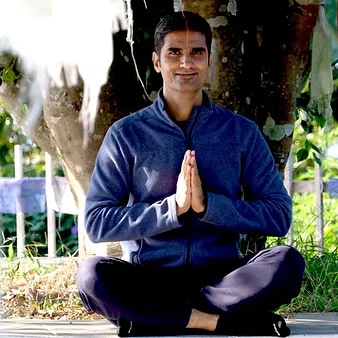
Hardik Mehta
Hardik is an E-RYT 500 & YACEP (Yoga Alliance Continuing Education Provider), Yoga Alliance, USA. He has been practicing yoga for the last 9 years. Prior to finding his true calling in Yoga, he was working with various corporates for 12 years in the Retail and eCommerce sector.