

Sleep is not a luxury. It is a biological necessity. Yet in today’s fast-paced world, quality sleep often feels out of reach. Long working hours, excessive screen time, stress, and irregular routines disrupt our natural rhythms. That’s why World Sleep Day serves as an important global reminder: healthy sleep is essential for overall well-being.
But awareness alone is not enough. We need practical, sustainable solutions. This is where yoga for better sleep becomes incredibly powerful.
In this blog, we’ll explore the connection between World Sleep Day and yoga, how yoga improves sleep quality, the best yoga practices for insomnia, and how yoga education can help spread sleep wellness globally.
What is World Sleep Day?
World Sleep Day is an annual global initiative that highlights the importance of sleep health. It focuses on issues like:
- Sleep deprivation
- Insomnia
- Sleep disorders
- Stress-related sleep problems
- Poor sleep hygiene
The core message is simple: quality sleep is a pillar of good health, just like nutrition and exercise.
Research consistently shows that inadequate sleep increases the risk of:
- Anxiety and depression
- Obesity
- Cardiovascular issues
- Weakened immunity
- Reduced cognitive performance
While medical interventions exist for severe sleep disorders, many people struggle with stress-induced insomnia or irregular sleep cycles. For them, yoga offers a natural, holistic approach.
The Powerful Connection Between Yoga and Sleep
Yoga is more than stretching or physical fitness. It is a mind-body practice that harmonizes the nervous system, regulates breathing, and promotes deep relaxation.
When we experience stress, the body activates the sympathetic nervous system — often called the “fight or flight” response. This makes it difficult to fall asleep. Yoga, however, stimulates the parasympathetic nervous system — the “rest and digest” state — which supports deep, restorative sleep.
How Yoga Improves Sleep Quality
- Reduces Stress Hormones
Yoga lowers cortisol levels, helping calm the mind before bedtime. - Regulates Breathing
Pranayama (breathing techniques) slows the heart rate and relaxes the nervous system. - Releases Physical Tension
Gentle asanas relieve muscular tightness that may cause discomfort during sleep. - Balances Circadian Rhythm
Regular yoga practice supports hormonal balance and stabilizes sleep cycles. - Improves Mental Clarity
Meditation reduces racing thoughts — a common cause of insomnia.
Practicing yoga consistently can transform your nights from restless to restorative.
Best Yoga Practices for Better Sleep
If World Sleep Day inspires you to improve your sleep habits, here are powerful yoga practices you can incorporate into your evening routine.
1. Gentle Evening Asanas
Certain poses are especially helpful before bedtime:
- Child’s Pose (Balasana)
- Legs Up the Wall (Viparita Karani)
- Supine Twist
- Cat-Cow Stretch
- Forward Fold
These poses gently stretch the spine, release tension, and calm the mind.
Tip: Keep movements slow and avoid stimulating poses close to bedtime.
2. Pranayama for Deep Relaxation
Breathing is the bridge between the body and mind. These techniques are particularly effective:
- Nadi Shodhana (Alternate Nostril Breathing) – balances the nervous system
- Bhramari (Bee Breath) – reduces anxiety
- Deep Diaphragmatic Breathing – slows heart rate
Just 5–10 minutes of pranayama before sleep can significantly improve sleep quality.
3. Yoga Nidra (Yogic Sleep)
Yoga Nidra is a guided relaxation practice often called “conscious sleep.” It takes you into a deeply restorative state between wakefulness and sleep.
Benefits include:
- Reduced insomnia symptoms
- Improved emotional balance
- Lower anxiety
- Deep mental relaxation
Many practitioners report falling asleep naturally after a short Yoga Nidra session.
4. Meditation for Sleep
Guided meditation or silent mindfulness practice helps detach from daily stress. A calm mind transitions more easily into restful sleep.
Start with just 10 minutes of focused breathing or body awareness before bed.
Yoga for Insomnia: A Long-Term Solution

Insomnia affects millions worldwide. While medications can provide temporary relief, they may not address the root cause.
Yoga works differently.
It treats the whole person — body, breath, mind, and emotions. Over time, regular yoga practice:
- Improves sleep latency (time taken to fall asleep)
- Increases deep sleep duration
- Reduces nighttime awakenings
- Enhances morning alertness
Unlike quick fixes, yoga builds resilience in the nervous system.
Creating a Sleep-Friendly Yoga Routine
To celebrate World Sleep Day meaningfully, consider building a structured routine:
Morning:
- 20–30 minutes of energizing yoga
- Sun salutations
- Light pranayama
Evening:
- Gentle stretching
- Breathing exercises
- Short meditation
- Digital detox 60 minutes before sleep
Consistency matters more than intensity. Even 15–20 minutes daily can bring noticeable improvements.
The Role of Yoga Teachers in Promoting Sleep Wellness
While personal practice is powerful, trained yoga teachers play a crucial role in spreading awareness about sleep health.
Many people are unaware that yoga can help manage insomnia and stress-related sleep issues. Well-trained teachers understand:
- Anatomy and nervous system regulation
- Breathwork techniques for calming
- Safe sequencing for evening classes
- Meditation guidance for relaxation
As sleep problems continue to rise globally, the demand for knowledgeable yoga instructors is increasing.
This is where structured teacher training becomes highly relevant.
World Sleep Day & Yoga Education: Building Global Awareness
World Sleep Day is not just about individual awareness; it’s about collective responsibility. When yoga professionals are well-trained, they can:
- Conduct sleep-focused workshops
- Guide restorative yoga sessions
- Educate communities about sleep hygiene
- Offer Yoga Nidra classes
- Integrate stress management into teaching
Proper training ensures yoga is taught safely, effectively, and authentically.
If you’re passionate about yoga and wellness, becoming a certified yoga teacher can be a powerful step toward contributing to global sleep health.
Sayujya Yoga: Empowering Future Yoga Teachers
One yoga institute in Mumbai contributing to the spread of authentic yoga education is Sayujya Yoga.
Sayujya Yoga focuses on comprehensive Yoga Teacher Training Programs designed to build deep understanding and practical teaching skills. Rather than offering personalized programs, the platform emphasizes structured teacher training that prepares aspiring instructors to teach confidently and responsibly.
Why This Matters for Sleep & Wellness
A well-trained yoga teacher understands:
- The science behind stress and insomnia
- How to design restorative sequences
- The role of pranayama in calming the nervous system
- The therapeutic benefits of Yoga Nidra
Through teacher training, graduates can guide others toward better sleep, stress management, and overall well-being.
As sleep disorders become more common, trained yoga professionals can make a meaningful difference in communities worldwide. Education multiplies impact.
If World Sleep Day inspires you to explore yoga more deeply, learning through a recognized teacher training program can expand your ability to help others experience the benefits of restful sleep.
Celebrating World Sleep Day Through Action
Awareness is powerful. Action is transformational.
This World Sleep Day, consider:
- Evaluating your sleep habits
- Reducing evening screen time
- Practicing 15 minutes of calming yoga
- Learning pranayama techniques
- Exploring Yoga Nidra
- Considering professional yoga education
Sleep is not something to sacrifice. It is the foundation of physical health, mental clarity, emotional stability, and productivity.
Yoga offers a natural, accessible, and sustainable way to reclaim deep, restorative sleep.
Final Thoughts
The connection between World Sleep Day and yoga is profound. Both emphasize balance, restoration, and holistic well-being.
In a world where exhaustion has become normalized, choosing mindful rest is revolutionary. Yoga empowers you to:
- Calm your mind
- Relax your body
- Regulate your breath
- Restore your energy
- Sleep deeply and wake refreshed
Whether you begin with a simple bedtime stretch or pursue structured yoga teacher training, every step moves you closer to better sleep and better health.
Let this World Sleep Day be the beginning of your journey toward restful nights and energized mornings.
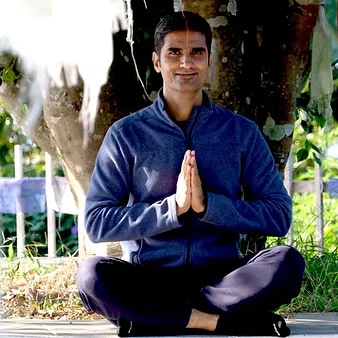
Hardik Mehta
Hardik is an E-RYT 500 & YACEP (Yoga Alliance Continuing Education Provider), Yoga Alliance, USA. He has been practicing yoga for the last 9 years. Prior to finding his true calling in Yoga, he was working with various corporates for 12 years in the Retail and eCommerce sector.