

In today’s yoga world, students are looking for more than just physical postures—they want depth, tradition, and authentic spiritual understanding. This is where Vedic Chanting becomes an essential part of advanced yoga education. Rooted in the sacred wisdom of the Vedas, Vedic chanting is not simply about reciting Sanskrit verses; it is a powerful practice that connects breath, sound, rhythm, concentration, and inner awareness.
As taught in an Advanced Yoga Teacher Training Course (YTTC), Vedic chanting helps practitioners experience yoga beyond the mat. It brings together philosophy, mindfulness, voice awareness, and spiritual discipline. For yoga teachers, learning Vedic chanting creates a deeper understanding of yogic tradition and strengthens their ability to guide students with authenticity.
In this blog, we will explore what Vedic chanting is, why it matters in advanced yoga training, and how it supports both personal growth and professional teaching development.
What Is Vedic Chanting?
Vedic chanting is the traditional oral recitation of sacred mantras and hymns from the Vedas—the oldest spiritual scriptures of India. These chants have been passed down for thousands of years through the guru-shishya parampara (teacher-student tradition), preserving exact pronunciation, rhythm, and tonal accuracy.
Unlike casual mantra repetition, Vedic chanting follows strict sound patterns. Every syllable, pause, and intonation carries significance. The vibration created through correct chanting is believed to influence both the mind and the surrounding energy.
In yoga teacher training, students often begin with foundational chants such as:
- Om chanting
- Shanti Mantras
- Guru Mantras
- Invocation prayers
- Selected verses from the Upanishads and Bhagavad Gita
These chants are not only spiritual practices but also tools for mental clarity and emotional balance.
Why Is Vedic Chanting Important in Advanced YTTC?

An Advanced YTTC goes beyond asana alignment and sequencing. It focuses on understanding yoga as a complete lifestyle and spiritual path. Vedic chanting plays a major role in this deeper learning process.
1. Builds Connection with Yogic Tradition
Modern yoga can sometimes become overly focused on fitness. Vedic chanting reconnects students with the original purpose of yoga—self-realisation and inner awareness.
By learning sacred chants, trainees understand that yoga is not just movement but also sound, silence, discipline, and devotion.
2. Improves Concentration and Mental Clarity
Chanting requires attention to pronunciation, rhythm, and breath control. This naturally improves concentration and mindfulness.
Many students notice that regular chanting reduces mental restlessness and helps them stay present during meditation and teaching practice.
3. Strengthens Breath Awareness
Breath is the foundation of both pranayama and chanting. In Vedic chanting, students learn how to use breath efficiently, sustain sound, and create balanced vocal resonance.
This improves teaching confidence and supports better pranayama instruction.
4. Enhances Voice and Teaching Presence
Yoga teachers use their voice as a primary teaching tool. Chanting develops vocal strength, clarity, and confidence.
A calm, grounded voice creates trust and improves class guidance—especially during meditation, philosophy sessions, and pranayama classes.
5. Supports Emotional and Energetic Balance
The vibrational quality of Sanskrit mantras can create a calming effect on the nervous system. Chanting often helps reduce anxiety, emotional heaviness, and internal stress.
For teachers in training, this creates emotional steadiness and deeper self-awareness.
The Science Behind Vedic Chanting
While Vedic chanting is spiritual in nature, modern research also supports its benefits.
Repetitive sound patterns and controlled breathing can activate the parasympathetic nervous system, helping the body move into a relaxed and balanced state. Chanting also improves oxygen flow, vocal resonance, and focus.
The repetition of sacred syllables creates a meditative rhythm that quiets mental noise. This is why many practitioners feel lighter, calmer, and more centred after chanting sessions.
In advanced yoga education, this combination of ancient wisdom and modern understanding makes Vedic chanting highly relevant.
How Vedic Chanting Is Taught in Advanced Yoga Teacher Training
In a structured Advanced YTTC, Vedic chanting is taught with patience and precision. The focus is not speed, but accuracy and understanding.
Step 1: Learning Proper Pronunciation
Sanskrit pronunciation is the foundation. Students are introduced to vowel sounds, consonants, syllable length, and tonal awareness.
Correct pronunciation matters because even small changes can alter meaning and vibrational quality.
Step 2: Understanding Meaning
Students are not asked to chant mechanically. Teachers explain the meaning, symbolism, and intention behind each mantra.
This creates emotional connection and spiritual understanding.
Step 3: Breath Coordination
Students learn where to pause, how to sustain sound, and how to chant without strain.
This develops both vocal health and pranayama awareness.
Step 4: Repetition and Group Practice
Group chanting builds confidence and creates a powerful shared energy. Repetition strengthens memory and helps students internalise the sound patterns naturally.
Step 5: Integration into Teaching
Advanced trainees also learn how to respectfully include chanting in yoga classes—whether through opening prayers, meditation sessions, or philosophy teachings.
This is especially valuable for teachers who want to offer authentic traditional yoga rather than only physical practice.
Common Challenges Beginners Face
Many students feel nervous when starting Vedic chanting, especially if they are unfamiliar with Sanskrit. This is completely normal.
Some common challenges include:
- Fear of incorrect pronunciation
- Difficulty remembering verses
- Hesitation in using the voice openly
- Lack of confidence in group chanting
- Understanding Sanskrit meanings
With consistent practice and supportive guidance, these challenges become part of the learning journey. The goal is progress, not perfection.
Vedic Chanting as a Personal Practice
Even outside teacher training, Vedic chanting can become a powerful daily ritual.
Just 10–15 minutes of chanting in the morning can create mental clarity and emotional grounding for the day ahead. Many practitioners combine chanting with meditation, pranayama, or journaling.
Unlike external achievements, chanting creates an inner transformation that gradually becomes visible in thought patterns, emotional stability, and self-awareness.
This is why students often say Vedic chanting becomes one of the most memorable parts of their yoga training.
Why Yoga Teachers Should Learn Vedic Chanting
Today’s students are seeking teachers who embody yoga, not just instruct postures. Learning Vedic chanting helps teachers move from being fitness instructors to true yoga educators.
It adds depth to:
- Yoga philosophy classes
- Meditation guidance
- Retreat leadership
- Spiritual workshops
- Traditional yoga sessions
- Teacher training facilitation
For those pursuing long-term careers in yoga education, Vedic chanting is not an optional extra—it is a valuable foundation.
Learning Vedic Chanting Through Advanced Teacher Training
A well-designed Advanced YTTC provides the right environment to learn Vedic chanting properly—with guidance, correction, and philosophical context.
At Sayujya Yoga, one of the best yoga institutes in Mumbai, the focus is on preserving the traditional essence of yoga while preparing students for meaningful teaching careers. Their teacher training programs are designed for serious practitioners who want to deepen their understanding beyond physical yoga.
Since Vedic chanting is deeply connected to yoga philosophy, breath awareness, and spiritual discipline, it naturally fits into an advanced teacher training journey. Rather than treating yoga as only exercise, such training helps students experience yoga as a complete path of transformation.
For aspiring yoga teachers, learning in a structured environment like this creates both confidence and authenticity. It ensures that teaching is rooted in knowledge, respect for tradition, and real personal practice.
If your goal is to teach yoga with depth and integrity, an advanced training program that includes practices like Vedic chanting can be a life-changing step.
Final Thoughts
Vedic chanting is one of the most powerful bridges between ancient yogic wisdom and modern yoga education. It teaches patience, presence, discipline, and devotion—qualities every great yoga teacher needs.
In an Advanced YTTC, chanting becomes more than a subject; it becomes an experience of transformation. It sharpens the mind, steadies the emotions, strengthens the voice, and deepens spiritual understanding.
As yoga continues to grow worldwide, preserving its roots becomes even more important. Vedic chanting reminds us that yoga is not only something we do—it is something we live.
For students ready to move beyond postures and truly embody yoga, Vedic chanting is a beautiful and essential path.
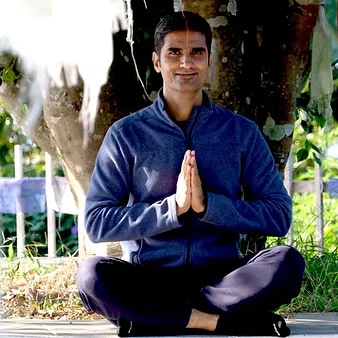
Hardik Mehta
Hardik is an E-RYT 500 & YACEP (Yoga Alliance Continuing Education Provider), Yoga Alliance, USA. He has been practicing yoga for the last 9 years. Prior to finding his true calling in Yoga, he was working with various corporates for 12 years in the Retail and eCommerce sector.