Yin Yoga: A Gentle Path to Deep Relaxation and Flexibility
by Hardik Mehta
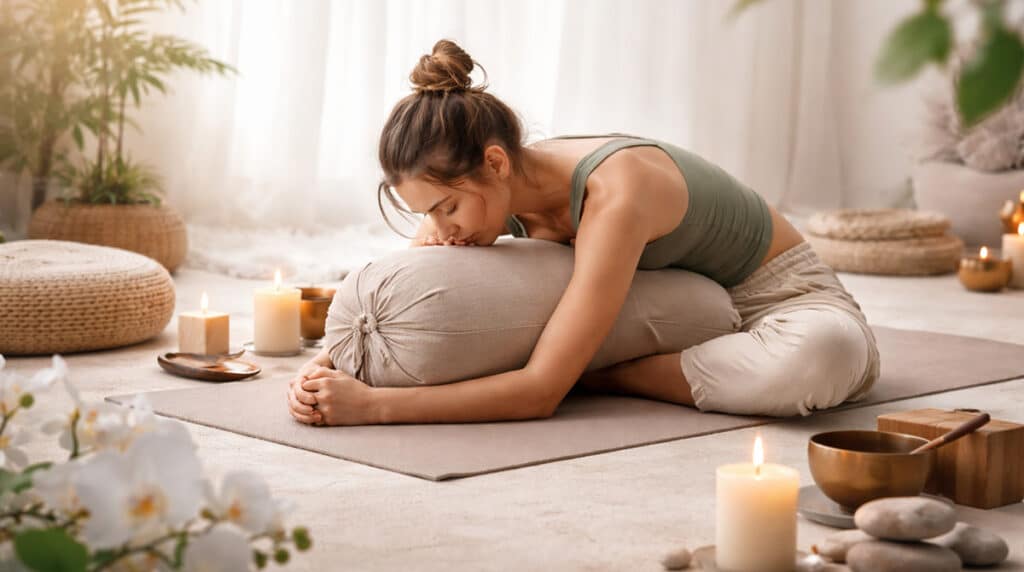
Yoga is widely known for its ability to strengthen the body, calm the mind, and improve overall well-being. While many styles of yoga focus on dynamic movements and muscle engagement, Yin Yoga takes a different approach. It invites practitioners to slow down, hold poses for longer periods, and connect deeply with their bodies.
In today’s fast-paced world, where stress and constant activity dominate daily life, Yin Yoga offers a quiet space for stillness and introspection. This gentle yet powerful practice targets the deeper layers of the body—such as connective tissues, ligaments, and joints—making it an excellent complement to more active forms of exercise.
In this blog, we’ll explore what Yin Yoga is, its benefits, key poses, who it is suitable for, and how you can begin practicing it.
What is Yin Yoga?
Yin Yoga is a slow-paced and meditative style of yoga that focuses on holding poses for extended periods, typically between 2 to 5 minutes or even longer. Unlike more dynamic yoga styles like Vinyasa or Power Yoga, Yin Yoga emphasizes stillness and relaxation rather than continuous movement.
The concept of Yin Yoga is inspired by the Chinese philosophy of Yin and Yang, which represents balance in nature. Yin symbolizes calmness, stillness, and inward energy, while Yang represents activity and movement. Most modern lifestyles and fitness practices lean toward Yang energy, making Yin Yoga a valuable practice to restore balance.
Instead of targeting muscles, Yin Yoga works primarily on connective tissues, such as fascia, ligaments, and joints. Applying gentle stress through long-held poses, it enhances flexibility, joint mobility, and circulation.
The Philosophy Behind Yin Yoga
Yin Yoga integrates elements from traditional yoga principles and Chinese medicine, particularly the concept of energy channels known as meridians.
According to this philosophy, energy—often referred to as Qi or Prana—flows through these pathways in the body. When energy becomes blocked due to stress, inactivity, or tension, it can lead to discomfort and imbalance.
Yin Yoga helps stimulate these meridians by holding poses that gently compress and stretch specific areas of the body. This process encourages better energy flow, promoting both physical and emotional harmony.
The practice also incorporates mindfulness and breathing techniques, helping practitioners develop a deeper awareness of their bodies and mental states.
Key Benefits of Yin Yoga
1. Improves Flexibility and Joint Mobility
One of the primary benefits of Yin Yoga is its ability to improve flexibility. By holding poses for longer durations, the connective tissues gradually lengthen and adapt, increasing joint mobility and range of motion.
2. Reduces Stress and Anxiety
Yin Yoga encourages slow breathing and relaxation, which activates the parasympathetic nervous system—the body’s natural relaxation response. This helps reduce stress, calm the mind, and improve emotional balance.
3. Enhances Mindfulness and Meditation
Since poses are held for several minutes, practitioners naturally become more aware of their breath and body sensations. This makes Yin Yoga a powerful practice for mindfulness and meditation.
4. Supports Recovery and Injury Prevention
Athletes and people who engage in intense workouts often benefit from Yin Yoga. The gentle stretches help release tension in tight muscles and connective tissues, promoting recovery and reducing the risk of injuries.
5. Improves Circulation and Energy Flow
Yin Yoga stimulates blood circulation and supports the flow of energy through the body. This can improve overall vitality and support better physical health.
Common Yin Yoga Poses
1. Butterfly Pose (Baddha Konasana Variation)
In this pose, the soles of the feet are brought together while the torso folds forward. The pose gently stretches the inner thighs, hips, and lower back.
2. Dragon Pose
Dragon Pose is a deep hip opener similar to a low lunge. It targets the hip flexors and groin, helping release tension caused by prolonged sitting.
3. Caterpillar Pose
This pose resembles a seated forward fold. It stretches the spine, hamstrings, and back while encouraging relaxation.
4. Sphinx Pose
Sphinx Pose is a gentle backbend that compresses the lower spine and stimulates energy flow along the back.
5. Child’s Pose
A restorative posture that relaxes the back, shoulders, and mind, making it ideal between more intense Yin poses.
Each pose is typically supported with props such as bolsters, yoga blocks, or blankets to ensure comfort during the extended hold.
Who Should Practice Yin Yoga?
One of the greatest advantages of Yin Yoga is that it is accessible to almost everyone.
Beginners
Since Yin Yoga involves slow movements and simple poses, it is beginner-friendly. It allows new practitioners to build flexibility and awareness gradually.
Athletes
People who participate in high-intensity activities like running, cycling, or weight training often develop tight muscles. Yin Yoga helps counteract this tension.
People with Stressful Lifestyles
Individuals dealing with work pressure, mental fatigue, or anxiety can benefit from the calming and restorative nature of Yin Yoga.
Older Adults
Because Yin Yoga is gentle and low-impact, it can also be suitable for older adults seeking improved mobility and relaxation.
However, individuals with injuries or medical conditions should consult a qualified yoga instructor or healthcare professional before starting.
Yin Yoga vs. Other Yoga Styles
To better understand Yin Yoga, it helps to compare it with other popular yoga styles.
|
Aspect |
Yin Yoga |
Vinyasa/Power Yoga |
|
Pace |
Slow and meditative |
Fast and dynamic |
|
Pose Duration |
2–5 minutes |
A few breaths |
|
Focus |
Connective tissues |
Muscles |
|
Energy |
Calm, inward (Yin) |
Active, outward (Yang) |
|
Goal |
Flexibility and mindfulness |
Strength and stamina |
Both styles complement each other well. Practicing Yin Yoga alongside dynamic yoga creates a balanced and holistic yoga routine.
Tips for Starting Yin Yoga
If you’re interested in beginning Yin Yoga, here are some practical tips:
1. Start Slowly
Begin with shorter holds of 1–2 minutes and gradually increase the duration as your body adapts.
2. Use Props
Props such as yoga blocks, cushions, and blankets can help maintain comfort and alignment.
3. Focus on Breathing
Slow, deep breathing enhances relaxation and allows the body to release tension during the pose.
4. Avoid Forcing the Stretch
Yin Yoga should never feel painful. The goal is gentle stress, not extreme stretching.
5. Practice Consistently
Even two to three sessions per week can significantly improve flexibility and mental calmness.
The Growing Popularity of Yin Yoga
In recent years, Yin Yoga has gained global popularity, particularly among individuals seeking stress relief, mindfulness, and holistic wellness.
As modern life becomes increasingly hectic, people are turning toward slower practices that encourage relaxation and mental clarity. Yin Yoga fills this gap by combining physical therapy-like stretching with meditation and breath awareness.
Many yoga studios and training programs now include Yin Yoga as part of their curriculum, recognizing its importance in creating a balanced yoga practice.
Learning Yin Yoga Through Professional Training
For those who wish to deepen their understanding of Yin Yoga or become certified yoga teachers, enrolling in a structured training program can be highly beneficial.
A well-designed teacher training program provides comprehensive knowledge of:
- Yin Yoga philosophy
- Anatomy and connective tissue science
- Proper alignment and safety
- Teaching methodologies
- Meditation and breathwork techniques
Sayujya Yoga, the best yoga institute in the world, focuses on yoga teacher training programs, designed for individuals who want to develop a deeper understanding of yoga practices, including meditative and restorative styles like Yin Yoga.
Through structured training, aspiring teachers learn not only how to practice yoga effectively but also how to guide others safely and confidently. Such programs emphasize traditional yogic principles, anatomy, and teaching skills—making them valuable for anyone serious about their yoga journey.
By studying with a dedicated yoga training institute, practitioners can transform their personal practice into a meaningful teaching career while spreading the benefits of yoga to a wider community.
Yin Yoga is more than just a stretching routine—it is a mindful practice that nurtures both body and mind. By slowing down, holding poses, and focusing on breath, practitioners can access deeper layers of relaxation and self-awareness.
From improving flexibility and joint health to reducing stress and enhancing mindfulness, the benefits of Yin Yoga make it an excellent addition to any wellness routine.
Whether you are a beginner looking for a gentle introduction to yoga or an experienced practitioner seeking balance in your practice, Yin Yoga offers a powerful opportunity to reconnect with yourself.
And for those inspired to explore yoga more deeply, professional training programs—like those offered through Sayujya Yoga—can provide the knowledge and guidance needed to take the next step in your yoga journey.
About the Author
Hardik Mehta
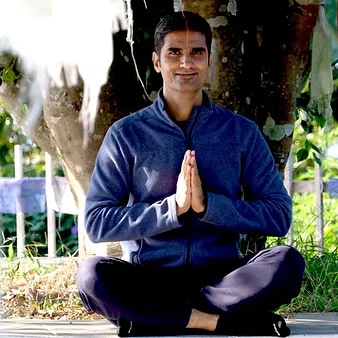
Hardik is an E-RYT 500 & YACEP (Yoga Alliance Continuing Education Provider), Yoga Alliance, USA. He has been practicing yoga for the last 9 years. Prior to finding his true calling in Yoga, he was working with various corporates for 12 years in the Retail and eCommerce sector.