

Yoga is often seen as a path to peace, balance, and self-awareness. But for individuals carrying the weight of trauma, stepping onto a yoga mat can feel far more complex than simply stretching or breathing deeply. This is where trauma-informed yoga becomes essential.
In modern yoga education, especially in advanced teacher training programs, understanding trauma-informed teaching is no longer optional—it is a responsibility. As yoga teachers, creating a safe and supportive environment matters just as much as teaching the perfect posture.
In many Advanced Yoga Teacher Training Courses (YTTC), trauma-informed yoga is now a key part of the curriculum because it helps future teachers guide students with sensitivity, awareness, and compassion.
What is Trauma-Informed Yoga?
Trauma-informed yoga is a teaching approach that recognizes how trauma affects the body, mind, and nervous system. Instead of focusing only on physical postures, it prioritizes emotional safety, personal choice, and nervous system regulation.
Trauma can come from many life experiences—loss, abuse, accidents, illness, emotional neglect, or chronic stress. These experiences may stay stored in the body and influence how a person responds to movement, touch, language, and even silence.
A trauma-informed yoga teacher understands that yoga can support healing, but only when the student feels safe enough to participate without fear, pressure, or judgment.
This approach is not therapy, but it can be deeply therapeutic.
Why Trauma-Informed Yoga Matters Today?

In today’s fast-paced world, stress and emotional overwhelm are common. Many students entering yoga classes are not just looking for fitness—they are seeking calm, emotional balance, and nervous system healing.
Traditional yoga classes may unintentionally trigger discomfort if teachers use forceful adjustments, commanding language, or rigid expectations.
Trauma-informed yoga changes this by asking:
- Does the student feel safe?
- Do they have a sense of choice?
- Is the environment supportive rather than controlling?
This shift creates a more inclusive and healing experience for everyone, not only for those with known trauma histories.
Core Principles of Trauma-Informed Yoga
1. Safety First
Safety is physical, emotional, and psychological.
The teacher creates an environment where students feel respected and not pressured. This includes clear communication, predictable class structure, and a calm teaching presence.
Even small details like room setup, lighting, and tone of voice can influence how safe a student feels.
2. Choice and Empowerment
Instead of giving strict commands like “Do this pose,” trauma-informed yoga uses invitational language such as:
“You may choose to try this variation.”
This helps students reconnect with autonomy and trust in their own bodies.
Choice is one of the most powerful healing tools.
3. Body Awareness Without Pressure
Students are encouraged to notice sensations rather than “achieve” poses.
The goal shifts from performance to presence.
This helps students develop interoception—the ability to sense what is happening inside the body—which is often disrupted by trauma.
4. Respecting Boundaries
Hands-on adjustments are approached with great care and often avoided unless clear consent is given.
Respecting personal space builds trust and reduces the risk of re-triggering stress responses.
5. Nervous System Regulation
Breathwork, grounding practices, and mindful movement help regulate the nervous system.
The focus is not on intensity but on stability and awareness.
This makes yoga accessible for people who may feel overwhelmed by fast-paced or highly demanding classes.
How Trauma Affects the Body
Trauma is not only a memory—it can live in the body.
People with unresolved trauma may experience:
- muscle tension
- shallow breathing
- sleep disturbances
- anxiety
- difficulty relaxing
- emotional numbness
- hypervigilance
- disconnection from the body
Trauma informed yoga supports students by helping them gently reconnect with themselves.
Practices like grounding, slow movement, and conscious breathing help create a sense of internal safety.
Trauma Informed Yoga in Advanced YTTC
In an Advanced Yoga Teacher Training Course, students move beyond posture instruction and begin learning the deeper responsibility of teaching.
Trauma informed yoga is included because modern yoga teachers must know how to hold space—not just lead sequences.
Teachers learn:
- the basics of trauma awareness
- nervous system responses like fight, flight, freeze, and fawn
- safe language for yoga classes
- consent-based teaching practices
- how to avoid common teaching triggers
- how to support emotional regulation through yoga
This training helps teachers become more mindful, professional, and adaptable.
It also builds confidence when working with diverse student groups, including children, seniors, corporate professionals, and individuals recovering from stress-related challenges.
Teaching Language Matters
One of the most powerful tools in trauma-informed yoga is language.
Instead of saying:
“Relax your shoulders.”
A teacher may say:
“If it feels comfortable, you might allow your shoulders to soften.”
This subtle change removes pressure and returns control to the student.
Language can either create safety or unintentionally create resistance.
In Advanced YTTC, learning conscious communication is a major part of becoming a truly effective teacher.
Benefits of Trauma-Informed Yoga
For Students
- improved emotional resilience
- better body awareness
- reduced anxiety and stress
- stronger mind-body connection
- greater self-trust
- healthier boundaries
- nervous system balance
For Teachers
- more compassionate teaching skills
- stronger student relationships
- greater class inclusivity
- a deeper understanding of healing-based yoga
- professional growth beyond physical instruction
This approach transforms yoga from exercise into a meaningful space for restoration.
Trauma Informed Yoga is the Future of Teaching
The yoga industry is evolving.
Students today are more aware of mental health, emotional wellness, and the importance of safe teaching spaces. They are looking for teachers who understand people—not just poses.
Trauma informed yoga reflects the true heart of yoga: awareness, compassion, and connection.
It reminds us that healing does not come from pushing harder. It comes from creating enough safety for the body and mind to soften.
That is powerful teaching.
Learn Trauma Informed Yoga with Sayujya Yoga
If you are serious about becoming a thoughtful and skilled yoga teacher, choosing the right training school matters.
Sayujya Yoga is a Yoga Alliance affiliated yoga institute based in Mumbai, offering structured teacher training programs designed for aspiring and advanced yoga teachers. Their focus goes beyond physical asana practice and includes deeper aspects of yogic learning such as teaching methodology, awareness-based instruction, and professional teacher development.
This makes the study of Trauma Informed Yoga highly relevant within their YTTC framework.
A teacher training program should prepare you for real students with real emotional and physical experiences—not just textbook postures. Learning trauma-sensitive teaching helps you become a teacher who can guide responsibly and confidently.
For those looking to build a long-term career in yoga education, advanced training through a professional school like Sayujya Yoga creates a strong foundation for authentic teaching.
Whether your goal is to teach group classes, deepen your personal practice, or expand your understanding of yoga as a healing science, trauma informed education is an essential step.
Because great yoga teachers do more than teach movement—they create trust.
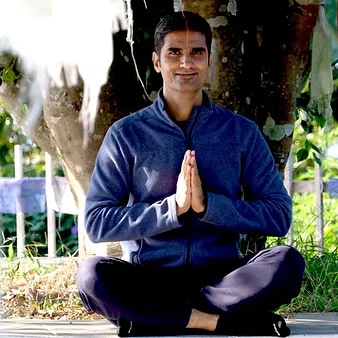
Hardik Mehta
Hardik is an E-RYT 500 & YACEP (Yoga Alliance Continuing Education Provider), Yoga Alliance, USA. He has been practicing yoga for the last 9 years. Prior to finding his true calling in Yoga, he was working with various corporates for 12 years in the Retail and eCommerce sector.