
How Yoga and Ayurveda Are Sister Sciences
by Hardik Mehta

For thousands of years, India has offered the world profound systems of knowledge that support holistic wellbeing. Among the most influential of these are Yoga and Ayurveda, two ancient disciplines that continue to guide people toward balanced and conscious living.
Although they are often studied separately in modern wellness culture, traditional teachings describe Yoga and Ayurveda as closely connected sister sciences. They originate from the same philosophical roots and share a common purpose: promoting harmony between the body, mind, and spirit.
Ayurveda provides guidance on maintaining physical health and restoring balance in the body, while yoga offers practices that cultivate mental clarity, inner awareness, and spiritual growth. When these two sciences are practiced together, they form a powerful approach to complete wellbeing.
This article explores the relationship between Yoga and Ayurveda, why they are considered sister sciences, and how their combined wisdom remains relevant in today’s modern wellness landscape.
Understanding Yoga: A Path to Inner Balance
Yoga is far more than a system of physical exercise. The word “Yoga” comes from the Sanskrit root Yuj, which means to unite or join. In essence, yoga represents the union of the body, mind, and higher consciousness.
The philosophy of yoga was formally organized in the ancient text known as the Yoga Sutras, which outlines the Eight Limbs of Yoga, a framework that guides practitioners toward self-realization and inner peace.
These eight limbs include:
- Ethical principles (Yama)
- Personal discipline (Niyama)
- Physical postures (Asana)
- Breath regulation (Pranayama)
- Withdrawal of the senses (Pratyahara)
- Concentration (Dharana)
- Meditation (Dhyana)
- Deep spiritual absorption (Samadhi)
While modern yoga classes often focus on posture practice, traditional yoga encompasses a much broader system aimed at transforming the mind and expanding awareness.
Regular yoga practice helps improve flexibility, strengthen the body, calm the nervous system, and cultivate emotional stability. However, to fully benefit from yoga practices, the body must be healthy and balanced. This is where the wisdom of Ayurveda becomes essential.
Understanding Ayurveda: The Science of Life
Ayurveda is the knowledge of life or the science of living well. Unlike many modern medical systems that mainly focus on treating disease, Ayurveda emphasizes prevention and balance. It teaches that health is achieved when the body, mind, and environment remain in harmony.
A central concept in Ayurveda is the idea of the three doshas, which represent different types of energy governing bodily functions.
These three doshas are:
Vata – associated with movement, air, and space
Pitta – linked to metabolism, heat, and transformation
Kapha – related to stability, structure, and nourishment
Each person has a unique combination of these energies, which forms their natural constitution, known as prakriti. When the doshas become imbalanced due to factors like diet, lifestyle, stress, or environmental influences, discomfort or illness may arise.
To restore harmony, Ayurveda uses natural methods such as:
- Dietary adjustments
- Herbal preparations
- Detoxification techniques
- Daily lifestyle routines
- Seasonal wellness practices
By maintaining balance within the body, Ayurveda creates the ideal foundation for deeper spiritual practices such as yoga.
The Shared Roots of Yoga and Ayurveda
Yoga and Ayurveda developed from the same philosophical traditions of ancient India, particularly those found within the Vedic and yogic texts. Because they originate from the same worldview, both sciences share several fundamental principles.
These shared foundations explain why they are often described as two complementary branches of the same system of knowledge.
The Five Elements
Both yoga and Ayurveda recognize that the universe, including the human body, is composed of five fundamental elements:
- Earth
- Water
- Fire
- Air
- Ether (space)
These elements influence both physical health and subtle energy systems. In Ayurveda, they combine to create the three doshas, while in yoga, they influence energetic pathways and subtle body structures.
Holistic View of Health
Another common principle is the belief that true health goes beyond the absence of disease. Both systems emphasize balance across multiple levels of existence, including:
- Physical health
- Mental clarity
- Emotional stability
- Spiritual awareness
This holistic perspective allows yoga and Ayurveda to address well-being in a much deeper and more comprehensive way.
Why Yoga and Ayurveda Are Considered Sister Sciences?
Yoga and Ayurveda are called sister sciences because they complement one another in both theory and practice. Each discipline focuses on different aspects of wellbeing, but together they form a complete path toward holistic health.
Ayurveda Supports the Body
Ayurveda focuses primarily on maintaining balance within the body’s systems and energies. It helps regulate digestion, metabolism, immunity, and daily rhythms.
By ensuring the body functions properly, Ayurveda creates a strong and stable foundation for yoga practice.
Yoga Cultivates the Mind
While Ayurveda works with the body and its energies, yoga emphasizes mental discipline, awareness, and consciousness.
Through techniques such as meditation, breath control, and mindful movement, yoga calms the mind and encourages deeper self-understanding.
Together, these two sciences support both physical vitality and mental clarity.
Personalized Wellness
Another important connection between yoga and Ayurveda is personalization. Ayurveda identifies an individual’s dosha constitution, which can help guide the type of yoga practice that best suits them.
For example:
- People with a Vata-dominant constitution may benefit from slow, grounding yoga practices.
- Those with Pitta tendencies often respond well to calming and cooling practices.
- Individuals with Kapha dominance may thrive with more dynamic and energizing yoga styles.
This personalized approach ensures that wellness practices are aligned with each person’s unique nature.
Integrating Yoga and Ayurveda into Everyday Life
The integration of yoga and Ayurveda does not require dramatic lifestyle changes. Even small daily practices inspired by these sciences can have meaningful benefits.
Some practical ways to combine yoga and Ayurveda include:
Establishing Daily Routines
Ayurveda encourages consistent daily habits, such as waking up early, eating balanced meals, and maintaining regular sleep cycles. Incorporating yoga practice into this routine can help create structure and stability.
Practicing Mindful Breathing
Breathing exercises, known as pranayama, improve energy flow and support both physical and mental balance. These practices align well with Ayurvedic principles of maintaining internal harmony.
Supporting Digestion and Energy
Ayurveda places strong emphasis on healthy digestion. When digestion functions well, energy levels improve, and yoga practice becomes more effective and enjoyable.
Cultivating Mindfulness
Yoga’s meditation practices encourage awareness and emotional balance, which also supports the Ayurvedic goal of maintaining harmony within the mind.
The Growing Importance of Yoga and Ayurveda in Modern Wellness
In recent years, people around the world have begun to rediscover the value of ancient wellness traditions. With increasing stress, sedentary lifestyles, and chronic health challenges, many individuals are searching for natural and sustainable ways to improve their wellbeing.
Yoga and Ayurveda offer practical solutions to many modern health concerns, including:
- Stress and anxiety
- Sleep disturbances
- Digestive imbalances
- Lifestyle-related illnesses
- Mental fatigue and burnout
Because they address both the physical and psychological aspects of health, these systems provide a comprehensive approach to modern wellness.
Their growing popularity has also led to increased interest in studying yoga professionally through structured training programs.
Learning Yoga Through Structured Training
For individuals who wish to deepen their understanding of yoga beyond personal practice, formal training programs can provide valuable guidance.
Sayujya Yoga offers Yoga Teacher Training programs designed to help students build a solid foundation in yogic philosophy, practice, and teaching methodology.
These programs typically cover important aspects of yoga, such as:
- Traditional asana practice
- Breathwork techniques
- Meditation practices
- Yogic philosophy and ethics
- Anatomy and teaching skills
Understanding the connection between yoga and related disciplines like Ayurveda can enrich a teacher’s perspective and enhance their ability to guide students toward holistic wellbeing.
By studying yoga in a structured learning environment, practitioners can develop a deeper appreciation for the traditional knowledge that supports modern wellness practices.
Conclusion
Yoga and Ayurveda are deeply interconnected systems that together create a complete approach to health and self-development. Ayurveda nurtures the body by maintaining internal balance and preventing illness, while yoga cultivates mental clarity, awareness, and spiritual growth.
Because they share common philosophical roots and complement each other in practice, these ancient disciplines are often described as sister sciences.
In today’s fast-paced world, the combined wisdom of yoga and Ayurveda offers a powerful pathway toward balanced living. Whether practiced individually or studied in greater depth through teacher training programs, these timeless traditions continue to guide people toward greater harmony, vitality, and inner peace
About the Author
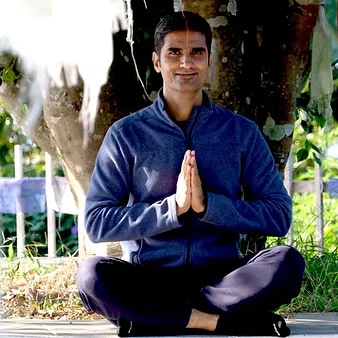
Hardik Mehta
Hardik is an E-RYT 500 & YACEP (Yoga Alliance Continuing Education Provider), Yoga Alliance, USA. He has been practicing yoga for the last 9 years. Prior to finding his true calling in Yoga, he was working with various corporates for 12 years in the Retail and eCommerce sector.