
Key Learnings from Patanjali’s Yoga Sutra: Ancient Wisdom for Modern Life
by Hardik Mehta
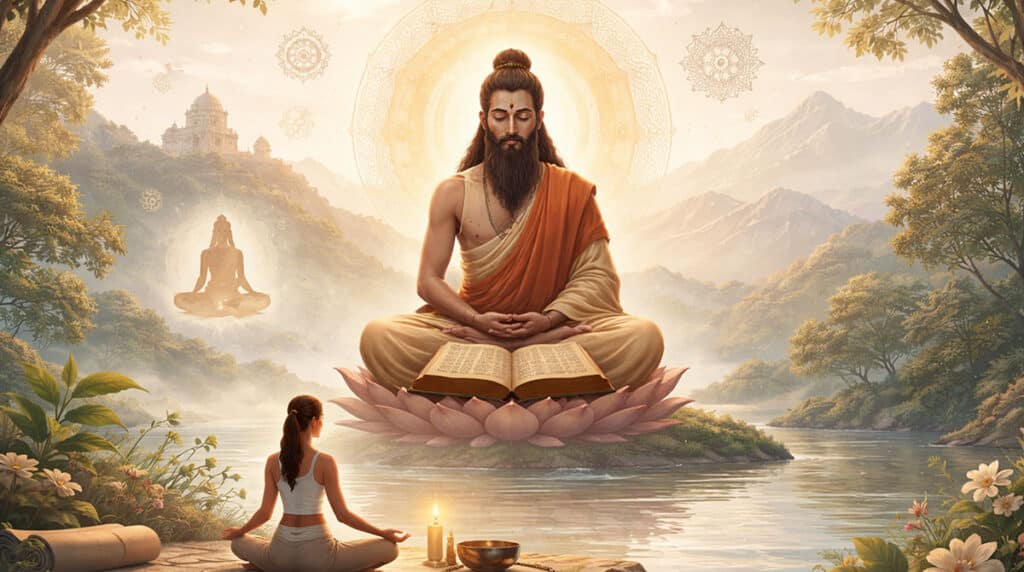
Yoga today is often associated with physical postures, flexibility, and fitness routines. However, the true essence of yoga goes far beyond the physical body. One of the most profound texts that explains the philosophy of yoga is Patanjali’s Yoga Sutra, a classical compilation of wisdom that provides a structured path toward self-awareness, mental clarity, and spiritual growth.
Written more than 2,000 years ago, the Yoga Sutras of Patanjali consist of 196 concise aphorisms (sutras) that outline the science and philosophy of yoga. Despite their ancient origin, these teachings remain highly relevant in today’s fast-paced and stress-driven world.
In this blog, we will explore the key learnings from Patanjali’s Yoga Sutra and understand how these timeless principles can guide us toward a balanced, mindful, and purposeful life.
Understanding Patanjali’s Yoga Sutra
Before diving into the key lessons, it is important to understand what the Yoga Sutras represent. Patanjali did not invent yoga but rather organized and systematized the existing yogic knowledge into a clear philosophical framework.
The sutras describe yoga as a path to quiet the fluctuations of the mind and ultimately achieve self-realization.
One of the most famous sutras states:
“Yoga Chitta Vritti Nirodha” — Yoga is the cessation of the fluctuations of the mind.
This simple yet profound definition highlights that yoga is fundamentally a practice of mental mastery and inner awareness, rather than merely a physical exercise.
1. The Mind Is the Key to Inner Peace
One of the most important teachings of Patanjali’s Yoga Sutra is the understanding of the mind’s role in shaping our experiences.
According to Patanjali, human suffering arises from uncontrolled thoughts, emotions, and mental patterns. Our mind constantly moves between the past and the future, creating stress, anxiety, and dissatisfaction.
Through yoga practices such as:
- Meditation
- Breath control (Pranayama)
- Mindfulness
- Self-reflection
We learn to observe the mind rather than become trapped by it.
When the mind becomes calm and focused, we naturally experience clarity, emotional balance, and inner peace.
2. The Eight Limbs of Yoga (Ashtanga Yoga)
Perhaps the most well-known teaching from Patanjali’s Yoga Sutra is the Eightfold Path of Yoga, also known as Ashtanga Yoga. These eight limbs serve as a comprehensive guide for living a meaningful and disciplined life.
1. Yama – Ethical Restraints
These are moral guidelines that help us interact harmoniously with others. They include:
- Non-violence (Ahimsa)
- Truthfulness (Satya)
- Non-stealing (Asteya)
- Moderation (Brahmacharya)
- Non-possessiveness (Aparigraha)
2. Niyama – Personal Discipline
These are practices that cultivate self-discipline and inner growth:
- Cleanliness (Saucha)
- Contentment (Santosha)
- Self-discipline (Tapas)
- Self-study (Svadhyaya)
- Surrender to the divine (Ishvara Pranidhana)
3. Asana – Physical Postures
Asana prepares the body for meditation by improving stability, flexibility, and physical health.
4. Pranayama – Breath Control
Pranayama regulates life force energy through conscious breathing techniques.
5. Pratyahara – Withdrawal of the Senses
This practice teaches us to detach from external distractions and turn our attention inward.
6. Dharana – Concentration
Dharana involves developing focused attention on a single object or idea.
7. Dhyana – Meditation
Meditation allows the mind to become continuously aware and deeply absorbed.
8. Samadhi – Enlightenment
Samadhi represents the ultimate state of spiritual awareness and unity with universal consciousness.
Together, these eight limbs provide a holistic framework for physical, mental, and spiritual development.
3. Discipline Leads to Transformation
Another powerful lesson from Patanjali’s teachings is the importance of consistent practice and discipline.
Patanjali emphasizes two key principles for success in yoga:
- Abhyasa (consistent practice)
- Vairagya (detachment)
Abhyasa refers to regular and dedicated effort toward self-improvement. Vairagya, on the other hand, teaches us to detach from expectations and outcomes.
This balance allows practitioners to progress steadily without becoming discouraged by obstacles.
In modern life, this teaching reminds us that true transformation happens through patience, consistency, and perseverance.
4. Self-Awareness Is the Path to Freedom
Patanjali explains that most human suffering arises from ignorance of our true nature.
We often identify ourselves with our thoughts, emotions, achievements, or social roles. However, the Yoga Sutras teach that our true identity is deeper than these temporary experiences.
Through meditation and self-reflection, we begin to recognize the difference between:
- The observer (true self)
- The observed (thoughts, emotions, and experiences)
This realization creates freedom from unnecessary stress, attachment, and mental disturbances.
In essence, the practice of yoga helps us reconnect with our authentic inner selves.
5. Yoga Is a Lifestyle, Not Just an Exercise
A common misconception in modern yoga culture is that yoga is primarily about performing advanced physical poses.
However, Patanjali’s Yoga Sutra clearly explains that yoga is a complete lifestyle philosophy that includes ethics, discipline, mindfulness, and spiritual awareness.
While physical postures play an important role in maintaining health, the deeper goal of yoga is to cultivate:
- Mental clarity
- Emotional balance
- Compassion
- Inner wisdom
By integrating these principles into daily life, yoga becomes a tool for personal growth and conscious living.
6. Balance Between Effort and Surrender
Patanjali highlights the importance of maintaining a balance between personal effort and surrender.
While dedication and discipline are necessary, excessive control or attachment to results can create frustration.
The practice of Ishvara Pranidhana (surrender to a higher consciousness) encourages practitioners to trust the process and allow life to unfold naturally.
This balance helps reduce stress and cultivate a deeper sense of peace and acceptance.
7. The Relevance of Yoga Sutra in Modern Life
Although Patanjali’s Yoga Sutra was written thousands of years ago, its teachings remain incredibly relevant today.
In a world filled with distractions, constant digital stimulation, and increasing stress levels, the principles of yoga offer practical tools for maintaining mental and emotional well-being.
Modern practitioners can apply these teachings by:
- Practicing mindfulness and meditation
- Developing healthy habits and discipline
- Cultivating compassion and ethical behavior
- Creating balance between work, health, and personal growth
By incorporating these principles into daily life, individuals can experience greater clarity, resilience, and overall well-being.
Learning the True Essence of Yoga
Understanding Patanjali’s Yoga Sutra requires more than simply reading the text. The deeper insights unfold through guided study, practice, and reflection.
For those who wish to explore yoga beyond physical postures and understand its philosophical roots, structured learning programs can provide valuable guidance.
Sayujya Yoga focuses on yoga teacher training programs that integrate traditional yogic knowledge with modern teaching methods.
The philosophy outlined in Patanjali’s Yoga Sutra forms the foundation of authentic yoga education. Teacher training programs like those offered at Sayujya Yoga help practitioners deepen their understanding of:
- Yogic philosophy
- The eight limbs of yoga
- Meditation and mindfulness practices
- Ethical principles of yoga teaching
For aspiring yoga teachers and serious practitioners, learning the teachings of Patanjali through a structured program can create a strong foundation for both personal practice and professional growth.
Conclusion
Patanjali’s Yoga Sutra remains one of the most influential spiritual texts in the world of yoga. Its teachings offer profound insights into the nature of the mind, the path to inner peace, and the journey toward self-realization.
The key learnings from the Yoga Sutra remind us that yoga is not limited to physical exercise—it is a comprehensive system for living a mindful, disciplined, and meaningful life.
By embracing the principles of self-awareness, ethical living, consistent practice, and meditation, anyone can experience the transformative power of yoga.
Whether you are a beginner exploring yoga or a practitioner seeking deeper understanding, the wisdom of Patanjali continues to serve as a guiding light on the path to inner harmony and spiritual growth.
About the Author
Hardik Mehta
Hardik is an E-RYT 500 & YACEP (Yoga Alliance Continuing Education Provider), Yoga Alliance, USA. He has been practicing yoga for the last 9 years. Prior to finding his true calling in Yoga, he was working with various corporates for 12 years in the Retail and eCommerce sector.