

Yoga and Ayurveda are two ancient sciences that originated in India and have guided human well-being for thousands of years. While yoga focuses on balancing the body, mind, and spirit through movement, breath, and meditation, Ayurveda complements it by offering a deeper understanding of health, lifestyle, and individual constitution.
For modern yoga teachers, learning the foundations of Ayurveda can significantly enhance their teaching approach. It allows them to understand students more holistically and adapt yoga practices according to individual needs.
In today’s wellness-focused world, yoga teachers who understand Ayurveda can create more personalised and effective classes. Let’s explore the core foundations of Ayurveda and why it is becoming an essential knowledge area for yoga teachers.
Understanding the Foundations of Ayurveda
Ayurveda, often referred to as the “Science of Life,” is a holistic healing system that focuses on maintaining balance within the body and mind. The word comes from two Sanskrit terms: Ayur (life) and Veda (knowledge).
The philosophy of Ayurveda is based on the idea that health is achieved when there is harmony between the body, mind, environment, and lifestyle.
The key foundations of Ayurveda include:
1. The Five Elements (Panchamahabhutas)
According to Ayurveda, everything in the universe is made up of five elements:
- Earth
- Water
- Fire
- Air
- Space
These elements exist not only in nature but also within the human body. Understanding these elements helps explain how the body functions and how imbalances occur.
For yoga teachers, this concept helps explain why different students respond differently to the same yoga practice.
2. The Three Doshas
One of the most important principles in Ayurveda is the concept of doshas. Doshas are biological energies that govern the body’s physical and mental processes.
The three doshas are:
Vata (Air + Space)
Associated with movement, creativity, and flexibility.
Pitta (Fire + Water)
Associated with metabolism, digestion, and transformation.
Kapha (Earth + Water)
Associated with stability, strength, and structure.
Every individual has a unique combination of these doshas, known as their Prakriti (constitution).
For yoga teachers, understanding doshas helps in designing practices that suit different body types and energy levels.
3. Balance and Imbalance
Ayurveda emphasises that health depends on maintaining balance between the doshas. When one or more doshas become excessive or deficient, it can lead to physical or mental health issues.
Common causes of imbalance include:
- Poor lifestyle habits
- Stress
- Improper diet
- Environmental factors
Yoga teachers who understand these imbalances can adjust practices to support healing and balance.
4. Lifestyle and Daily Routine (Dinacharya)
Ayurveda places great importance on daily routines that align with natural cycles.
Practices such as:
- Waking up early
- Eating according to digestive strength
- Maintaining regular sleep patterns
- Practicing yoga and meditation
help maintain optimal health.
Yoga teachers who integrate Ayurvedic lifestyle principles can guide their students beyond the yoga mat.
The Connection Between Yoga and Ayurveda

Yoga and Ayurveda are often considered sister sciences because they share the same philosophical roots.
Both systems:
- Focus on balance and harmony
- Emphasise prevention over treatment
- Encourage self-awareness and mindful living
While Ayurveda focuses on healing the body through diet, herbs, and lifestyle, yoga works through movement, breath, and meditation.
When combined, they create a powerful framework for overall well-being.
Why Yoga Teachers Should Learn Ayurveda
Incorporating Ayurvedic knowledge into yoga teaching offers many benefits. It deepens understanding, improves teaching quality, and helps teachers support students more effectively.
Here are some important reasons why yoga teachers should learn Ayurveda.
1. Deeper Understanding of Students
Every yoga student has different physical abilities, mental patterns, and energy levels.
Ayurveda helps teachers understand:
- Why some students feel energised by fast-paced yoga
- Why others need slow, grounding practices
- Why certain postures work better for some people
This knowledge helps teachers guide students more thoughtfully.
2. Personalised Yoga Practice
Modern yoga classes are often taught in a generalised format. However, Ayurveda teaches that no single practice suits everyone.
For example:
- Vata-dominant individuals benefit from slow, grounding yoga.
- Pitta types need cooling and calming practices.
- Kapha types benefit from energising and stimulating sequences.
Yoga teachers with Ayurvedic knowledge can design classes that support different body types and energy patterns.
3. Holistic Wellness Guidance
Students often approach yoga teachers not only for physical exercise but also for guidance in managing stress, improving sleep, and maintaining overall wellness.
Ayurveda provides tools for addressing these areas through:
- Diet suggestions
- Lifestyle changes
- Seasonal routines
This allows yoga teachers to offer more holistic support.
4. Improved Class Planning
Understanding Ayurveda helps teachers structure yoga classes more intelligently.
For example:
- Morning classes may focus on energising movements.
- Evening classes may focus on calming practices.
- Seasonal changes may influence the style of yoga taught.
This alignment with natural rhythms improves the effectiveness of yoga sessions.
5. Enhanced Professional Skills
In the growing wellness industry, yoga teachers who understand Ayurveda stand out professionally.
Many yoga schools and wellness centres now look for teachers who can integrate:
- Yoga philosophy
- Ayurveda principles
- Mindfulness practices
This broader knowledge can open new teaching opportunities.
6. Personal Growth for Yoga Teachers
Ayurveda is not just about helping others—it also helps teachers maintain their own health and balance.
Through Ayurvedic practices, yoga teachers can:
- Improve digestion and energy levels
- Manage stress effectively
- Maintain mental clarity
A healthy teacher naturally becomes a better guide for students.
Integrating Ayurveda into Yoga Teaching
Yoga teachers do not need to become Ayurvedic doctors to benefit from Ayurveda. Even basic knowledge can enhance teaching.
Simple ways to integrate Ayurveda include:
- Designing yoga sequences for different doshas
- Adjusting class intensity according to seasons
- Sharing simple lifestyle tips with students
- Encouraging mindful eating and daily routines
By integrating these elements, yoga teachers can offer more meaningful and impactful classes.
Learning Ayurveda Through Structured Training
As interest in holistic wellness grows, many yoga teacher training programs now include Ayurveda in their curricula.
A structured program helps teachers understand:
- Ayurvedic philosophy
- Dosha analysis
- Lifestyle and seasonal practices
- The connection between yoga and Ayurveda
Learning from experienced teachers ensures that the knowledge is authentic and practical.
One platform that offers comprehensive training in yoga and related holistic sciences is Sayujya Yoga, a yoga institute in Mumbai.
Sayujya Yoga provides yoga teacher training programs designed for individuals who want to deepen their understanding of yoga beyond physical postures.
These programs help aspiring and existing yoga teachers explore:
- Yoga philosophy
- Meditation practices
- Breathwork techniques
- Foundations of holistic wellness
For those interested in integrating Ayurveda with yoga teaching, structured training programs like those offered by Sayujya Yoga can provide valuable knowledge and practical experience.
Such programs help teachers build confidence, improve teaching skills, and expand their understanding of traditional yogic sciences.
Final Thoughts
Yoga and Ayurveda are deeply interconnected systems that aim to create harmony within the body and mind. While yoga focuses on movement and awareness, Ayurveda provides the knowledge needed to understand individual differences and lifestyle factors.
For yoga teachers, learning the foundations of Ayurveda is not just an additional skill—it is a powerful tool that enhances teaching, improves student outcomes, and promotes holistic wellness.
As the global interest in yoga continues to grow, teachers who combine yoga practice with Ayurvedic wisdom will be better equipped to guide students toward long-term health and balance.
Investing time in learning Ayurveda can therefore transform both a teacher’s personal practice and their professional journey.
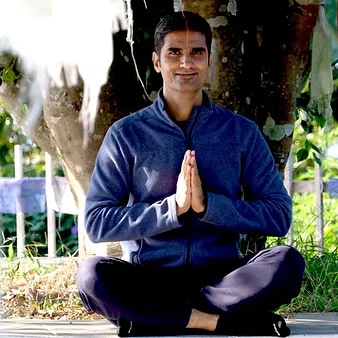
Hardik Mehta
Hardik is an E-RYT 500 & YACEP (Yoga Alliance Continuing Education Provider), Yoga Alliance, USA. He has been practicing yoga for the last 9 years. Prior to finding his true calling in Yoga, he was working with various corporates for 12 years in the Retail and eCommerce sector.