
Yogic Therapy for Diabetes
by Hardik Mehta

Diabetes has become one of the most common lifestyle-related health challenges worldwide. Long working hours, irregular eating habits, stress, and lack of physical activity have significantly contributed to the rise in both Type 1 and Type 2 diabetes. While medical treatment plays a crucial role in managing blood sugar levels, many people are now exploring complementary approaches that support long-term wellness. One such powerful approach is yogic therapy for diabetes.
Yogic therapy is not just about physical postures; it is a holistic science that works on the body, breath, mind, and lifestyle. When practiced consistently and mindfully, it can help regulate blood glucose levels, improve insulin sensitivity, reduce stress, and enhance overall quality of life.
Understanding Diabetes from a Yogic Perspective
In modern medicine, diabetes is primarily seen as a metabolic disorder related to insulin dysfunction. Yogic philosophy, however, views diabetes as an imbalance in the body’s internal systems, particularly digestion, metabolism, and the endocrine glands.
According to yoga, diabetes is linked to:
- Weak digestive fire (Agni)
- Imbalance in the pancreas
- Chronic stress and emotional disturbances
- Sedentary lifestyle and poor breathing patterns
Yogic therapy aims to address these root causes rather than only managing symptoms.
What Is Yogic Therapy?
Yogic therapy is a personalized application of yoga practices to support specific health conditions. It integrates:
- Asanas (physical postures)
- Pranayama (breathing techniques)
- Meditation and relaxation
- Cleansing practices
- Lifestyle and dietary awareness
For diabetes, yogic therapy focuses on stimulating the pancreas, improving metabolism, calming the nervous system, and creating sustainable lifestyle habits.
Benefits of Yogic Therapy for Diabetes
Practicing yoga regularly offers multiple physical and mental benefits for people with diabetes:
1. Improved Blood Sugar Regulation
Specific yoga postures gently massage the pancreas and abdominal organs, helping improve insulin function and glucose metabolism.
2. Reduced Stress and Cortisol Levels
Stress directly impacts blood sugar levels. Yogic breathing and meditation help reduce cortisol, a stress hormone that raises glucose levels.
3. Enhanced Insulin Sensitivity
Regular movement and muscle engagement through yoga improve the body’s ability to utilize insulin effectively.
4. Better Weight Management
Yoga encourages mindful movement and awareness, helping manage body weight—an important factor in Type 2 diabetes.
5. Improved Circulation and Nerve Health
Gentle stretches and relaxation improve blood circulation, reducing the risk of diabetic complications such as neuropathy.
Key Yoga Asanas for Diabetes Management
When practiced under guidance, the following asanas can be especially beneficial:
1. Vajrasana (Thunderbolt Pose)
A simple seated posture that improves digestion and supports pancreatic health when practiced after meals.
2. Mandukasana (Frog Pose)
This pose applies gentle pressure to the abdominal region, stimulating the pancreas and aiding insulin secretion.
3. Ardha Matsyendrasana (Half Spinal Twist)
Twisting poses massage internal organs and improve digestion and metabolism.
4. Bhujangasana (Cobra Pose)
Strengthens the spine and stimulates abdominal organs, supporting better metabolic function.
5. Paschimottanasana (Seated Forward Bend)
Helps regulate blood sugar levels and calms the nervous system.
Note: Individuals should practice these poses under the guidance of a trained yoga therapist, especially if they have underlying health conditions or complications.
Pranayama for Blood Sugar Control
Breathing techniques play a vital role in yogic therapy for diabetes:
Anulom Vilom (Alternate Nostril Breathing)
Balances the nervous system, reduces stress, and improves oxygen supply to cells.
Bhramari Pranayama
Helps calm the mind, reduce anxiety, and stabilize hormonal activity.
Consistent pranayama practice helps maintain emotional balance, which is essential for diabetes management.
Role of Meditation and Mindfulness
Diabetes management is not only physical—it is deeply emotional and mental. Meditation helps:
- Reduce emotional eating
- Improve self-awareness
- Build discipline and consistency
- Lower stress-induced sugar spikes
Even 10–15 minutes of daily meditation can bring noticeable improvements in energy levels and emotional stability.
Yogic Lifestyle Recommendations for Diabetes
Yogic therapy emphasizes lifestyle correction alongside practice:
Mindful Eating
Eating at regular intervals, choosing fresh and sattvic foods, and avoiding overeating are core yogic principles.
Adequate Sleep
Irregular sleep disrupts hormonal balance and insulin function. Yoga Nidra can help improve sleep quality.
Daily Routine (Dinacharya)
A structured daily routine aligns the body with natural rhythms, improving metabolism and digestion.
Can Yoga Replace Medication?
Yogic therapy is a complementary approach, not a replacement for medical treatment. People with diabetes should continue their prescribed medications and consult healthcare professionals before making changes. Yoga supports better control, prevention of complications, and overall well-being when combined with medical care.
Who Can Benefit from Yogic Therapy for Diabetes?
Yogic therapy is beneficial for:
- People with Type 2 diabetes
- Individuals with prediabetes
- Those with a family history of diabetes
- People looking to prevent lifestyle-related disorders
With personalized guidance, yoga can be tailored to suit all age groups and fitness levels.
The Importance of Personalized Yogic Therapy
Every individual’s body, lifestyle, and condition are different. Generic yoga routines may not address specific needs. Personalized yogic therapy ensures:
- Safe practice
- Targeted benefits
- Sustainable results
- Better long-term adherence
This is where experienced yoga therapy centers play a vital role.
How Sayujya Yoga Aligns with Yogic Therapy for Diabetes
Sayujya Yoga is a platform dedicated to authentic yogic practices that promote holistic healing and self-awareness. The philosophy of Sayujya Yoga aligns deeply with the principles of yogic therapy – addressing not just physical health, but mental and emotional balance as well.
For individuals seeking yogic therapy for diabetes, Sayujya Yoga offers:
- Structured yoga programs- 200 Hours TTC and 300 Hours TTC rooted in traditional wisdom
- Emphasis on breath, posture, and mindfulness
- A holistic approach that supports lifestyle transformation
- Guidance that encourages consistency and self-discipline
By integrating yoga into daily life, as advocated by Sayujya Yoga, individuals can move toward better blood sugar control, improved energy, and a calmer mind. The teachings focus on long-term wellness rather than quick fixes, making them especially relevant for managing chronic conditions like diabetes.
Yogic therapy for diabetes offers a powerful, holistic approach to managing and preventing this widespread condition. By combining physical postures, breathing techniques, meditation, and mindful living, yoga addresses the root causes of imbalance in the body and mind.
When practiced consistently and under proper guidance, yogic therapy can significantly improve blood sugar control, reduce stress, enhance insulin sensitivity, and promote overall well-being. Platforms like Sayujya Yoga play an important role in making these ancient practices accessible and relevant in today’s fast-paced world.
Diabetes may be a lifelong condition, but with yogic therapy, it can be managed with greater awareness, balance, and inner strength.
About the Author
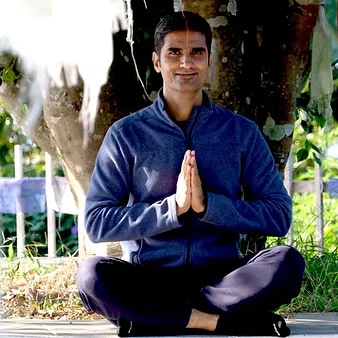
Hardik Mehta
Hardik is an E-RYT 500 & YACEP (Yoga Alliance Continuing Education Provider), Yoga Alliance, USA. He has been practicing yoga for the last 9 years. Prior to finding his true calling in Yoga, he was working with various corporates for 12 years in the Retail and eCommerce sector.