

One of the most pervasive health challenges of contemporary life is the silent epidemic of chronic stress. Long work hours, constant digital exposure, emotional pressures, and lifestyle imbalances keep the nervous system in a perpetual state of alertness. Over time, this stress no longer remains mental—it begins to affect the body, emotions, immunity, digestion, sleep, and overall quality of life. While medications may provide temporary relief, they often address symptoms rather than root causes.Yogic therapy offers a gentle, lasting, and holistic remedy for chronic stress. It addresses the issue across multiple dimensions: physical, mental, emotional, and energetic. This approach, grounded in timeless yogic knowledge and tailored for contemporary life, is instrumental in helping individuals regain equilibrium, build resilience, and cultivate inner tranquility.
Understanding Chronic Stress
Stress is the body’s natural response to challenges. In minimal amounts, it can serve as a source of motivation and protection. However, chronic stress occurs when stressors persist for long periods without adequate recovery.
Common Causes of Chronic Stress
- Workplace pressure and burnout
- Emotional trauma or unresolved grief
- Financial or relationship challenges
- Poor sleep and a sedentary lifestyle
- Excessive screen time and information overload
Symptoms of Chronic Stress
- Constant fatigue and low energy
- Anxiety, irritability, or mood swings
- Poor sleep or insomnia
- Digestive issues and weakened immunity
- Headaches, muscle tension, or body pain
- Difficulty concentrating and memory problems
Left unmanaged, chronic stress can contribute to conditions such as hypertension, diabetes, hormonal imbalance, anxiety disorders, and depression.
What Is Yogic Therapy?
Yogic therapy is a customized, healing application of yoga’s principles, specifically designed to address individual health conditions. Unlike general yoga classes, yogic therapy is tailored to the individual, taking into account their physical health, mental state, emotional patterns, and lifestyle.
It integrates:
- Asanas (postures)
- Pranayama (breathing techniques)
- Meditation and mindfulness
- Relaxation techniques
- Lifestyle and behavioral awareness
For chronic stress, yogic therapy focuses on calming the nervous system, releasing stored tension, and retraining the body and mind to respond rather than react.
How Yogic Therapy Helps Manage Chronic Stress
1. Regulates the Nervous System
Yogic therapy helps the body shift out of the constant “fight or flight” state induced by chronic stress. It achieves this by activating the parasympathetic nervous system, which is essential for rest, healing, and repair. Gentle movements and slow breathing signal safety to the brain, reducing cortisol levels.
2. Improves Breath Awareness
Stress often leads to shallow, rapid breathing. By retraining the breath to be slow, deep, and rhythmic, yogic breathing techniques directly soothe the mind and reduce anxiety.
3. Releases Physical Tension
Emotional stress often gets stored in the shoulders, neck, hips, and lower back. Therapeutic yoga postures gently release these tension zones, improving circulation and relaxation.
4. Enhances Mental Clarity
Meditation and mindfulness practices help break repetitive thought patterns, improve focus, and cultivate emotional stability.
5. Restores Emotional Balance
Through the promotion of self-awareness and acceptance, Yogic therapy aids individuals in processing their emotions instead of suppressing them.
Key Yogic Practices for Chronic Stress Relief
Therapeutic Asanas
For chronic stress, the focus is on slow, grounding, and restorative postures rather than intense physical exertion.
Some commonly recommended postures include:
- Balasana (Child’s Pose)
- Sukhasana (Comfortable Sitting Pose)
- Setu Bandhasana (Bridge Pose)
- Viparita Karani (Legs Up the Wall)
- Shavasana (Guided Relaxation)
These postures relax muscles, calm the heart rate, and reduce mental agitation.
Pranayama (Breathing Techniques)
The breath is the single most effective instrument for managing stress.
Effective pranayama practices include:
- Alternate Nostril Breathing (Nadi Shodhana) – effectively calms and balances the nervous system.
- Bhramari (Humming Bee Breath) – reduces anxiety and mental restlessness
- Deep Diaphragmatic Breathing – promotes relaxation and emotional grounding
Regular practice improves oxygen flow, emotional stability, and sleep quality.
Meditation and Mindfulness
Meditation focuses the mind on the present moment, steering it away from anxieties about what is to come or ruminations on what has already transpired.
For stress relief, practices may include:
- Guided body awareness
- Breath-focused meditation
- Yoga Nidra (yogic sleep)
Even 10–15 minutes daily can significantly reduce perceived stress levels over time.
Lifestyle Awareness and Yogic Living
Yogic therapy goes beyond the mat. It encourages mindful lifestyle choices such as:
- Establishing healthy sleep routines
- Reducing stimulants like caffeine
- Incorporating mindful eating
- Creating digital boundaries
- Developing self-compassion and awareness
These changes support long-term stress resilience.
Why Yogic Therapy Is More Effective Than Quick Fixes?

Unlike quick stress-relief techniques that offer momentary calm, yogic therapy addresses the root cause of stress—imbalance in the nervous system and mind-body connection.
Long-Term Benefits of Yogic Therapy
- Sustainable stress management
- Improved emotional intelligence
- Better sleep quality
- Stronger immunity
- Enhanced self-awareness
- Improved overall well-being
It empowers individuals to become active participants in their healing journey.
For Whom is Yogic Therapy Recommended to Manage Chronic Stress?
Yogic therapy is suitable for:
- Working professionals facing burnout
- Students dealing with academic pressure
- Individuals with anxiety or emotional fatigue
- Homemakers managing multiple responsibilities
- Anyone seeking natural stress management
The therapy is adaptable and can be tailored to suit individuals of all ages and physical abilities.
The Role of Professional Guidance in Yogic Therapy
While yoga videos and apps are widely available, chronic stress often requires personalized guidance. A customized yogic therapy program, designed by a trained therapist, can be developed and adjusted over time to meet a person’s specific needs.
This ensures:
- Safe and appropriate practices
- Better results
- Consistency and accountability
- Emotional support and guidance
Yogic Therapy and Sayujya Yoga
The practice of yogic therapy at Sayujya Yoga is viewed as a profoundly personal and life-changing process. Sayujya Yoga emphasizes authentic yogic practices rooted in traditional wisdom while addressing modern lifestyle challenges like chronic stress, anxiety, and emotional imbalance.
The platform focuses on:
- Personalized yogic therapy sessions
- Stress management through breathwork and meditation
- Holistic well-being rather than symptom-based solutions
- Safe, gentle, and sustainable practices
Sayujya Yoga provides guidance that is in complete harmony with the stress relief principles outlined in this blog, offering a natural, mindful, and structured option for those looking to manage chronic stress.
Yogic therapy offers a time-tested, holistic approach to chronic stress, which impacts the entire system, not just the mind. It is a solution designed to restore inner balance by simultaneously calming the mind and nurturing the body. By addressing stress at its root and empowering individuals with practical tools, yogic therapy helps build resilience in a demanding world.
With consistent practice, mindful living, and proper guidance, it is possible to move from constant tension to lasting calm
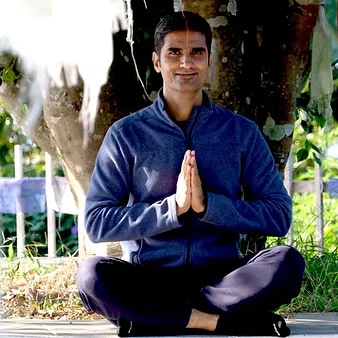
Hardik Mehta
Hardik is an E-RYT 500 & YACEP (Yoga Alliance Continuing Education Provider), Yoga Alliance, USA. He has been practicing yoga for the last 9 years. Prior to finding his true calling in Yoga, he was working with various corporates for 12 years in the Retail and eCommerce sector.