

Depression is one of the most common mental health challenges of modern times. With increasing stress, lifestyle imbalance, emotional overload, and constant digital stimulation, many people feel mentally exhausted, disconnected, or hopeless at different stages of life. While medical treatment and therapy are essential for clinical depression, holistic approaches like yoga have gained global recognition for supporting mental well-being naturally and sustainably.
Yoga is not just a physical practice; it is a powerful mind–body system that works on emotional, psychological, and neurological levels. This ancient practice offers tools that help individuals reconnect with themselves, regulate emotions, and build resilience against depressive patterns. In this blog, we explore how yoga helps in overcoming depression, the science behind it, and how consistent practice can support mental healing.
Understanding Depression and Its Impact
Depression is more than occasional sadness. It can affect how a person thinks, feels, sleeps, eats, and functions daily. Common symptoms include persistent low mood, lack of motivation, fatigue, anxiety, disturbed sleep, negative thoughts, and a sense of isolation.
Modern lifestyles often worsen these symptoms due to:
- Chronic stress and work pressure
- Lack of physical movement
- Poor sleep cycles
- Emotional suppression
- Disconnection from the present moment
Yoga addresses many of these underlying factors, making it an effective complementary practice for mental health support.
The Mind–Body Connection in Yoga

One of yoga’s greatest strengths is its emphasis on the mind–body connection. Depression often keeps the mind trapped in past regrets or future worries. Yoga gently brings awareness back to the present moment through breath, movement, and mindfulness.
By synchronising breath with movement and cultivating inner awareness, yoga helps calm the nervous system and reduce mental agitation. Over time, this awareness creates emotional balance and mental clarity.
How Yoga Helps in Overcoming Depression
1. Reduces Stress and Cortisol Levels
Chronic stress is a major contributor to depression. Yoga helps lower cortisol, the body’s primary stress hormone. Practices like gentle asanas, pranayama, and meditation activate the parasympathetic nervous system, also known as the “rest and digest” response.
As stress levels decrease, the mind becomes calmer, making it easier to manage depressive thoughts.
2. Improves Mood Through Neurochemical Balance
Yoga has been shown to stimulate the production of serotonin, dopamine, and gamma-aminobutyric acid (GABA), which are neurotransmitters associated with happiness, relaxation, and emotional stability.
Regular yoga practice can naturally improve mood and reduce feelings of anxiety and emotional heaviness, offering long-term mental health benefits.
3. Encourages Mindfulness and Self-Awareness
Depression often involves repetitive negative thought patterns. Yoga teaches mindfulness—the ability to observe thoughts without judgment. Through meditation and breath awareness, practitioners learn to step back from destructive thinking and develop emotional resilience.
This shift in awareness helps individuals respond to challenges more calmly instead of reacting emotionally.
4. Enhances Sleep Quality
Sleep disturbances are common in people experiencing depression. Yoga helps regulate sleep cycles by calming the mind and relaxing the body. Evening yoga, restorative poses, and breathing techniques prepare the nervous system for deeper and more restful sleep.
Improved sleep alone can significantly reduce depressive symptoms over time.
5. Builds Physical Strength and Confidence
Depression often comes with low energy and self-esteem. Yoga improves flexibility, posture, and strength while encouraging self-acceptance. As physical awareness improves, individuals begin to feel more connected and confident in their bodies.
This physical empowerment often translates into emotional strength and renewed motivation.
6. Creates a Sense of Routine and Discipline
A regular yoga practice introduces healthy structure into daily life. Depression can disrupt routine, making days feel unproductive or overwhelming. Setting aside even 20–30 minutes daily for yoga creates consistency, purpose, and a sense of accomplishment.
Routine plays a crucial role in stabilising mental health.
7. Supports Emotional Release and Healing
Many emotions remain stored in the body. Certain yoga poses help release emotional tension held in areas like the hips, chest, and shoulders. This physical release can bring emotional relief, helping individuals process suppressed feelings safely and gently.
Best Yoga Practices for Depression
While all yoga styles offer benefits, some are particularly effective for mental health support:
- Hatha Yoga – Slow and grounding, ideal for beginners
- Restorative Yoga – Deep relaxation and nervous system healing
- Yin Yoga – Emotional release and introspection
- Pranayama – Breathing techniques for calming the mind
- Meditation – Enhances awareness and emotional regulation
Simple poses such as Child’s Pose, Cat-Cow, Bridge Pose, Seated Forward Bend, and gentle backbends are especially beneficial for mood enhancement.
Yoga as a Complement, Not a Replacement
It is important to understand that yoga is a supportive therapy, not a substitute for medical or psychological treatment. For individuals with moderate to severe depression, yoga works best alongside professional care.
When practised mindfully under proper guidance, yoga becomes a powerful ally in mental health recovery.
The Role of a Supportive Yoga Community
Healing from depression is easier when done in a supportive environment. Practising yoga with a community fosters connection, belonging, and shared growth. A compassionate teacher and safe space encourage consistency and emotional openness, which are essential for mental healing.
How Sayujya Yoga Supports Mental Well-Being
At Sayujya Yoga, yoga is approached as a holistic path toward physical, mental, and emotional balance. The platform offers structured yoga programs, guided practices, and teacher-led sessions that align deeply with the principles discussed in this blog.
Sayujya Yoga focuses on:
- Authentic yogic practices rooted in tradition
- Mindfulness-based approaches for stress and mental health
- Breathwork, meditation, and gentle asana practices
- Creating awareness, balance, and inner harmony
For individuals seeking yoga for depression, stress relief, or emotional well-being, Sayujya Yoga provides the right blend of discipline, compassion, and guidance through their short courses, 200 Hours TTC and 300 Hours TTC. Its emphasis on holistic wellness makes it a meaningful resource for anyone beginning or deepening their yoga journey for mental health.
Final Thoughts
Depression can feel isolating, but healing is possible with the right support and practices. Yoga offers a gentle yet powerful way to reconnect with oneself, calm the mind, and restore emotional balance. Through consistent practice, self-awareness, and guided learning, yoga helps individuals move from inner struggle toward inner strength.
By embracing yoga as a lifestyle—not just an exercise—many people discover renewed hope, clarity, and emotional resilience.
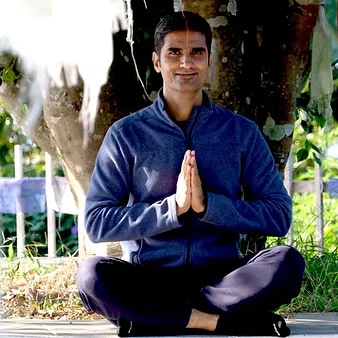
Hardik Mehta
Hardik is an E-RYT 500 & YACEP (Yoga Alliance Continuing Education Provider), Yoga Alliance, USA. He has been practicing yoga for the last 9 years. Prior to finding his true calling in Yoga, he was working with various corporates for 12 years in the Retail and eCommerce sector.