

Every year, No Smoking Day serves as a reminder of the life-changing benefits of quitting tobacco. It is not just about putting out a cigarette; it is about reclaiming your breath, your energy, and your future. While many people try to quit smoking using patches, medication, or sheer willpower, one powerful and natural approach is often overlooked—yoga.
The connection between No Smoking Day and yoga is deeper than it appears. Smoking affects your lungs, nervous system, and mental health. Yoga, on the other hand, works holistically on the body and mind, making it a valuable support system for anyone ready to break free from nicotine addiction.
In this blog, we will explore how yoga can support smoking cessation, which practices are most effective, and how becoming a yoga practitioner—or even a yoga teacher—can transform not just your health but your entire lifestyle.
Why No Smoking Day Matters
No Smoking Day is observed annually to encourage smokers to quit and to raise awareness about the harmful effects of tobacco. According to global health organizations, smoking remains one of the leading causes of preventable diseases, including lung cancer, heart disease, and respiratory disorders.
But quitting smoking is not easy. Nicotine addiction affects both the body and the brain. Withdrawal symptoms such as irritability, anxiety, restlessness, and intense cravings often lead people back to smoking.
This is where yoga can play a supportive and empowering role.
The Science Behind Smoking and Stress
Many smokers believe cigarettes help them manage stress. In reality, nicotine creates a cycle of temporary relief followed by withdrawal discomfort. Over time, this cycle increases stress levels rather than reducing them.
Yoga works oppositely.
Through mindful breathing, meditation, and physical postures, yoga activates the parasympathetic nervous system—the body’s natural relaxation response. This reduces cortisol levels (the stress hormone) and helps stabilize mood.
On No Smoking Day, instead of reaching for a cigarette to cope with stress, imagine stepping onto your mat and practicing deep breathing. The shift is powerful and sustainable.
How Yoga Helps You Quit Smoking
1. Improves Lung Capacity
Smoking damages lung tissue and reduces oxygen intake. Certain yoga breathing techniques, known as pranayama, help expand lung capacity and improve oxygen flow.
Effective breathing practices include:
- Anulom Vilom (Alternate Nostril Breathing)
- Bhramari (Bee Breath)
These practices cleanse the respiratory system, increase oxygenation, and help you reconnect with the natural rhythm of your breath—something smoking disrupts.
2. Reduces Nicotine Cravings
Cravings typically last 5–10 minutes. Yoga and meditation provide a healthy distraction during this period.
Mindfulness meditation helps you observe cravings without reacting to them. Instead of fighting the urge, you learn to watch it pass like a wave.
Over time, this practice strengthens self-control and emotional resilience—key factors in smoking cessation.
3. Manages Withdrawal Symptoms
Withdrawal symptoms may include:
- Anxiety
- Irritability
- Insomnia
- Headaches
- Restlessness
Gentle yoga asanas (postures) calm the nervous system and improve sleep quality. Poses such as Child’s Pose, Forward Fold, and Legs-Up-The-Wall are particularly helpful in reducing anxiety and promoting relaxation.
Practicing yoga daily during the first few weeks after quitting can significantly ease the transition.
4. Builds a Health-Conscious Lifestyle
One of the most powerful effects of yoga is awareness. As you become more mindful of your body, you naturally begin to make healthier choices.
Smokers often describe feeling disconnected from their physical well-being. Yoga rebuilds that connection. When you start feeling stronger, breathing deeper, and sleeping better, the idea of smoking becomes less appealing.
This lifestyle shift aligns perfectly with the spirit of No Smoking Day.
Yoga Poses to Practice on No Smoking Day
If you are planning to quit or support someone who is quitting, here is a simple yoga routine to try:
1. Mountain Pose (Tadasana)
Improves posture and breathing awareness.
2. Cat-Cow Stretch
Opens the chest and enhances lung expansion.
3. Cobra Pose (Bhujangasana)
Strengthens the lungs and stimulates respiratory function.
4. Bridge Pose (Setu Bandhasana)
Opens the chest and reduces stress.
5. Seated Meditation with Deep Breathing
Focus on slow, steady inhalations and exhalations.
Practicing this 20–30 minute routine daily can support your smoke-free journey.
Mental Transformation Through Yoga

Quitting smoking is not only a physical challenge—it is a mental one. Yoga philosophy teaches self-discipline (tapas), awareness (svadhyaya), and balance (samatva).
Instead of viewing quitting as a struggle, yoga encourages you to see it as growth.
On No Smoking Day, you are not giving something up—you are gaining clarity, energy, and vitality.
The Long-Term Benefits of Combining Yoga and Smoking Cessation
When yoga becomes part of your routine, the benefits extend far beyond quitting smoking:
- Improved cardiovascular health
- Better emotional regulation
- Enhanced immunity
- Increased focus and productivity
- Stronger respiratory system
Many former smokers report that yoga gave them a sense of purpose and control that cigarettes never could.
From Quitting Smoking to Teaching Yoga: A Transformational Journey
For some individuals, quitting smoking marks the beginning of a deeper lifestyle transformation. What starts as a health decision can evolve into a passion for wellness.
If yoga has helped you overcome addiction or improve your health, you may feel inspired to share that knowledge with others. Becoming a certified yoga teacher allows you to guide people through their own healing journeys—including those struggling with stress or smoking addiction.
Professional training programs provide in-depth knowledge of anatomy, breathing techniques, meditation practices, and teaching methodologies. This structured learning builds confidence and credibility.
Why Choose Structured Yoga Education?
When selecting a yoga training program, it is essential to choose an institution that offers:
- Comprehensive curriculum
- Experienced trainers
- Practical teaching experience
- Recognized certification
One such platform dedicated to quality yoga education is Sayujya Yoga.
Sayujya Yoga: Supporting Holistic Wellness Through Teacher Training
Sayujya Yoga is an institution focused on structured yoga teacher training programs.
While the platform does not offer personalized therapy programs for quitting smoking, its teacher training courses are highly relevant to the theme of No Smoking Day & Yoga.
Here’s why:
- Deep Understanding of Breathwork
Teacher training programs include extensive study of pranayama techniques. These are the same breathing methods that help improve lung capacity and reduce cravings in smokers. - Knowledge of Stress Management
Trainees learn how yoga affects the nervous system, making them better equipped to guide others through stress-related challenges, including addiction recovery. - Holistic Lifestyle Education
Yoga teacher training goes beyond physical postures. It incorporates philosophy, discipline, and mindful living—principles that align strongly with breaking unhealthy habits like smoking. - Community and Accountability
Being part of a structured training program creates a supportive environment. For individuals quitting smoking, being surrounded by health-focused peers can reinforce positive change.
If No Smoking Day inspires you to embrace yoga more deeply, enrolling in a teacher training program can be a powerful next step. It transforms personal healing into professional purpose.
Creating a Smoke-Free Future with Yoga
No Smoking Day is more than a date on the calendar—it is an opportunity for renewal. Quitting smoking requires courage, support, and practical tools. Yoga offers all three.
Through breath awareness, stress reduction, and lifestyle transformation, yoga addresses the root causes of addiction rather than just the symptoms.
Whether you are:
- Trying to quit smoking
- Supporting a loved one
- Looking to deepen your yoga practice
- Considering becoming a certified yoga teacher
The connection between No Smoking Day and yoga is clear: both represent conscious choice, discipline, and long-term well-being.
This year, instead of lighting a cigarette, light a candle on your yoga mat. Take a deep breath. Feel your lungs expand. Experience the freedom of clean air.
Your journey toward a healthier life begins with a single conscious inhale.
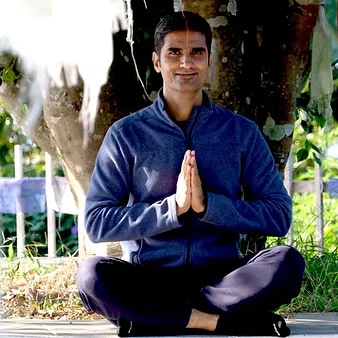
Hardik Mehta
Hardik is an E-RYT 500 & YACEP (Yoga Alliance Continuing Education Provider), Yoga Alliance, USA. He has been practicing yoga for the last 9 years. Prior to finding his true calling in Yoga, he was working with various corporates for 12 years in the Retail and eCommerce sector.