

Every beat of your heart is a reminder of life. It pumps tirelessly, keeping you alive and active, yet many of us often overlook its care. World Heart Day, observed every year on 29th September, is a global initiative to raise awareness about cardiovascular health and the steps we can take to prevent heart disease. With heart-related illnesses being one of the leading causes of death worldwide, this day holds vital significance.
In this blog, we’ll explore what World Heart Day is all about, why it matters, practical tips for a healthier heart, and how lifestyle practices like yoga and mindfulness can play a transformative role in maintaining your heart health.
What is World Heart Day?
World Heart Day was created by the World Heart Federation to unite people across the globe in the fight against cardiovascular disease (CVD). It is more than just a symbolic observance—it’s a call to action. Each year, campaigns and events are held worldwide to educate communities about prevention, early detection, and healthier lifestyle choices.
The central message is simple: a healthy heart is the key to a longer, stronger life.
Why World Heart Day Matters
Cardiovascular diseases, including heart attacks and strokes, account for nearly 18 million deaths each year, according to the World Health Organization (WHO). Many of these deaths are preventable through healthier choices and timely intervention.
World Heart Day reminds us that:
- Heart health is in our hands. Small daily habits can significantly reduce risks.
- Awareness saves lives. Knowing the symptoms and causes can help prevent tragedies.
- Prevention is powerful. A balanced lifestyle is the most effective medicine.
This day is not just for those with heart conditions—it is for everyone, regardless of age or gender.
Common Risk Factors for Heart Disease
Understanding what puts your heart at risk is the first step toward prevention. Here are the major factors:
- Unhealthy Diet – High consumption of processed food, sugar, and unhealthy fats increases cholesterol and blood pressure.
- Lack of Physical Activity – A sedentary lifestyle weakens the cardiovascular system.
- Stress and Anxiety – Emotional stress elevates cortisol levels, affecting heart rhythm and health.
- Smoking and Alcohol – Both damage arteries and increase the risk of stroke and heart attack.
- Obesity – Excess weight strains the heart and is often linked to diabetes and hypertension.
- Genetics and Age – While you cannot control these, awareness helps in timely check-ups and preventive care.
How to Keep Your Heart Healthy: Simple and Effective Tips
Taking care of your heart does not always require drastic changes. Small, consistent habits can go a long way:

1. Adopt a Heart-Healthy Diet
- Focus on fresh fruits, vegetables, whole grains, nuts, and seeds.
- Choose lean proteins like fish, legumes, and pulses.
- Reduce salt, sugar, and saturated fats.
2. Stay Physically Active
- Aim for at least 30 minutes of moderate activity daily, such as brisk walking, cycling, or yoga.
- Physical activity strengthens the heart muscle and improves circulation.
3. Manage Stress
- Chronic stress is a silent killer for the heart. Techniques like meditation, breathing exercises, and yoga help in calming the mind and reducing blood pressure.
4. Get Regular Health Check-ups
- Monitor blood pressure, cholesterol, and blood sugar levels.
- Early detection is crucial in preventing complications.
5. Avoid Smoking and Limit Alcohol
- Quitting smoking instantly improves heart health.
- If you drink, keep it moderate.
6. Prioritize Quality Sleep
- Poor sleep is linked to obesity, stress, and heart conditions.
- Aim for 7–8 hours of restful sleep each night.
Yoga and Mindfulness: Natural Allies for Heart Health
Modern medical research increasingly supports the role of yoga and meditation in improving cardiovascular health. Here’s how:
- Yoga Postures (Asanas): Gentle stretches and poses improve blood circulation, reduce stiffness, and enhance overall fitness without straining the heart.
- Pranayama (Breathing Exercises): Deep and mindful breathing helps regulate heartbeat, lower blood pressure, and reduce stress hormones.
- Meditation & Mindfulness: Regular practice helps calm the nervous system, reduce anxiety, and encourage a positive mindset—all of which benefit the heart.
Practicing yoga and mindfulness regularly can complement medical advice, offering a holistic path to heart health.
How World Heart Day Inspires Change
World Heart Day encourages individuals and communities to:
- Pledge for better habits. Even committing to small changes like a daily walk or reducing junk food can have long-term benefits.
- Educate others. Sharing knowledge about heart health spreads awareness and saves lives.
- Support initiatives. From local health camps to global campaigns, participation builds a healthier future.
It is a reminder that we each play a role in protecting not just our own heart, but the collective well-being of society.
Relevance of World Heart Day with Yoga and Wellness
Heart health is not only about avoiding illness but also about achieving emotional balance, resilience, and energy. Yoga offers that holistic approach. By aligning body, breath, and mind, yoga creates harmony that reduces the burden on your heart.
On World Heart Day, adopting yoga and mindful living is one of the best steps you can take toward prevention and healing.
How Sayujya Yoga Nurtures Your Heart Health
Your heart does more than just pump blood—it responds to your emotions, lifestyle, and the rhythm of your daily choices. At Sayujya Yoga, heart health is seen as a balance of body, breath, and mind. Their programs are designed not just for fitness, but for long-term cardiovascular well-being.
Here’s how Sayujya Yoga makes a difference:
- Yoga for Every Stage of Life: Whether you’re a beginner exploring gentle stretches or an advanced practitioner, Sayujya offers adaptable sessions that strengthen the body without overwhelming the heart.
- Therapeutic Yoga for Lifestyle Disorders: Targeted practices help manage hypertension, diabetes, and stress-induced conditions—key risk factors for heart disease.
- Meditation & Deep Relaxation: Regular mindfulness and meditation sessions calm the nervous system, reduce cortisol levels, and lower stress—one of the biggest hidden threats to heart health.
- Pranayama & Breath Mastery: Scientific studies show that controlled breathing improves oxygen flow, stabilizes blood pressure, and supports a steady heartbeat. Sayujya integrates these techniques seamlessly into practice.
- A Holistic Wellness Philosophy: More than exercise, Sayujya encourages a lifestyle shift—better sleep, mindful eating, and inner calm—giving your heart the environment it needs to thrive.
By joining Sayujya Yoga, you are not just enrolling in classes—you are choosing a science-backed, holistic path to a healthier, happier heart.
Conclusion
World Heart Day is a reminder that our hearts deserve attention, love, and care. With simple daily habits, awareness, and mindful practices like yoga, we can prevent heart diseases and lead healthier, more fulfilling lives.
Your journey to heart wellness can start today. Take a pledge this World Heart Day to make your heart a priority—and let trusted wellness partners like Sayujya Yoga guide you toward a healthier tomorrow.
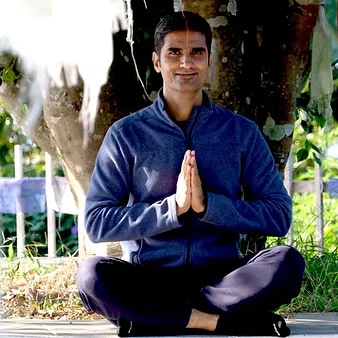
Hardik Mehta
Hardik is an E-RYT 500 & YACEP (Yoga Alliance Continuing Education Provider), Yoga Alliance, USA. He has been practicing yoga for the last 9 years. Prior to finding his true calling in Yoga, he was working with various corporates for 12 years in the Retail and eCommerce sector.