
Yogic Therapy for Thyroid
by Hardik Mehta

Thyroid disorders are becoming increasingly common due to modern lifestyle challenges such as stress, sedentary habits, irregular sleep, and poor dietary choices. Conditions like hypothyroidism and hyperthyroidism affect metabolism, energy levels, weight, mood, and overall well-being. While medical treatment plays a vital role, many individuals are now turning toward yogic therapy for thyroid as a natural, supportive approach to manage symptoms and improve quality of life.
Yogic therapy is not merely about physical postures; it is a holistic system that integrates asana (postures), pranayama (breathing techniques), meditation, relaxation, and lifestyle awareness. When practiced consistently and mindfully, yogic therapy can help balance the endocrine system, calm the nervous system, and support thyroid health naturally.
Understanding the Thyroid Gland and Its Role
The thyroid is a tiny, butterfly-like gland situated at the front of the neck, just below the throat. Despite its size, it plays a crucial role in regulating the body’s metabolism by producing thyroid hormones – T3 (triiodothyronine) and T4 (thyroxine).
Common Thyroid Disorders
- Hypothyroidism: Underactive thyroid leading to weight gain, fatigue, cold intolerance, depression, and sluggish metabolism.
- Hyperthyroidism: Overactive thyroid causing weight loss, anxiety, palpitations, heat intolerance, and restlessness.
- Autoimmune-related thyroid disorders: Including Hashimoto’s thyroiditis and Graves’ disease.
Stress, hormonal imbalance, nutritional deficiencies, and chronic inflammation are key contributors to thyroid dysfunction. This is where yogic therapy becomes highly relevant.
What Is Yogic Therapy?
Yogic therapy is a personalized, therapeutic application of yoga practices designed to address specific health conditions. Unlike general yoga routines, yogic therapy focuses on correcting imbalances at physical, mental, and emotional levels.
For thyroid health, yogic therapy aims to:
- Stimulate or calm the thyroid gland
- Improve blood circulation to the neck region
- Reduce stress and cortisol levels
- Balance the endocrine and nervous systems
- Enhance digestion and metabolism
How Yogic Therapy Helps in Thyroid Management
1. Reduces Stress and Hormonal Imbalance
Stress is one of the biggest triggers for thyroid dysfunction. Chronic stress increases cortisol levels, which interferes with thyroid hormone production and conversion. Yogic practices such as pranayama and meditation activate the parasympathetic nervous system, reducing stress and promoting hormonal balance.
2. Improves Blood Flow to the Thyroid Gland
Specific yoga postures gently compress and stretch the neck region, improving blood circulation and oxygen supply to the thyroid gland. This helps in the better functioning of the gland over time.
3. Supports Metabolism and Digestion
Thyroid disorders often disrupt metabolism and digestion. Yogic therapy improves digestive fire (agni), supports gut health, and enhances metabolic efficiency, which is especially beneficial for hypothyroidism.
4. Enhances Mind-Body Awareness
Regular practice helps individuals become more aware of their bodies, symptoms, and emotional patterns, enabling better self-care and lifestyle choices.
Best Yoga Asanas for Thyroid Health
1. Sarvangasana (Shoulder Stand)
Often referred to as the “queen of asanas,” Sarvangasana directly stimulates the thyroid gland by applying gentle pressure to the neck.
Benefits:
- Regulates thyroid hormone secretion
- Improves circulation
- Enhances metabolism
Note: Should be practiced under guidance, especially for beginners.
2. Matsyasana (Fish Pose)
Matsyasana counterbalances Sarvangasana and stretches the throat region, improving thyroid stimulation.
Benefits:
- Enhances thyroid and parathyroid function
- Relieves neck and shoulder stiffness
- Improves posture and breathing
3. Halasana (Plow Pose)
This posture deeply compresses the abdomen and neck, stimulating endocrine glands.
Benefits:
- Supports thyroid health
- Improves digestion
- Calms the nervous system
4. Bhujangasana (Cobra Pose)
Bhujangasana gently stretches the throat and improves spinal flexibility.
Benefits:
- Improves blood circulation to the thyroid
- Reduces fatigue and stress
- Strengthens the spine
5. Setu Bandhasana (Bridge Pose)
This pose creates a mild inversion and stimulates the neck region.
Benefits:
- Supports thyroid regulation
- Reduces anxiety
- Improves sleep quality
Pranayama for Thyroid Balance
Breathing techniques are a powerful part of yogic therapy for thyroid disorders.
1. Ujjayi Pranayama
Also known as “victorious breath,” Ujjayi creates a gentle vibration in the throat.
Benefits:
- Stimulates the thyroid gland
- Calms the mind
- Improves oxygen flow
2. Nadi Shodhana (Alternate Nostril Breathing)
This pranayama aids in creating balance between the analytical and creative sides of the brain.
Benefits:
- Balances hormones
- Reduces stress and anxiety
- Improves nervous system function
3. Bhramari Pranayama (Humming Bee Breath)
The humming sound has a soothing effect on the nervous system and throat area.
Benefits:
- Reduces cortisol levels
- Enhances thyroid health
- Improves emotional stability
Meditation and Relaxation in Yogic Therapy
Meditation plays a crucial role in managing thyroid disorders, especially those linked to stress and autoimmune responses.
Mindfulness and Guided Meditation
Practices focusing on the throat chakra (Vishuddha Chakra) can help release emotional blockages associated with communication, self-expression, and suppressed emotions—often linked with thyroid issues.
Yoga Nidra
Yoga Nidra, or yogic sleep, deeply relaxes the body and mind, supporting hormonal balance and better sleep patterns.
Lifestyle and Dietary Support Through Yogic Principles
Yogic therapy extends beyond the mat and encourages mindful living.
Yogic Lifestyle Tips for Thyroid Health
- Maintain a regular sleep schedule
- Eat freshly prepared, balanced meals
- Avoid excessive caffeine and processed foods
- Practice gratitude and emotional awareness
- Stay consistent with yoga and breathing practices
A holistic approach that combines yogic therapy, mindful eating, stress management, and medical guidance yields the best results.
Who Can Practice Yogic Therapy for Thyroid?
Yogic therapy is suitable for:
- Individuals with hypothyroidism or hyperthyroidism
- People with early thyroid imbalance
- Those experiencing stress-related hormonal issues
- Anyone seeking preventive and holistic wellness
However, yogic therapy should always complement, not replace, medical treatment. Consulting a qualified yoga therapist and healthcare professional is recommended.
Why Consistency Matters in Yogic Therapy
Yogic therapy is not a quick fix. Its benefits unfold gradually with regular and disciplined practice. Even 20–30 minutes a day can bring noticeable improvements in energy levels, mood, digestion, and overall thyroid balance over time.
Relevance of Yogic Therapy and Sayujya Yoga
Sayujya Yoga is dedicated to nurturing complete well-being through conscious living and natural methods of healing. The principles of yogic therapy for thyroid align seamlessly with the website’s mission to support individuals in achieving balanced health through natural and sustainable approaches.
Whether it is through wellness education, yoga-based guidance, or integrative health resources, Sayujya Yoga empowers individuals to take charge of their well-being. This blog serves as an educational resource for readers seeking natural ways to manage thyroid health, perfectly complementing the wellness-oriented content and services offered on the platform.
Conclusion
Yogic therapy supports thyroid health through a gentle and holistic approach, focusing on balancing the body from within instead of merely managing outward symptoms. Through a balanced combination of yoga postures, pranayama, meditation, and mindful lifestyle practices, individuals can experience improved hormonal balance, reduced stress, and enhanced overall well-being.
When practiced with consistency and awareness, yogic therapy becomes a powerful ally in the journey toward long-term thyroid health and holistic wellness.
About the Author
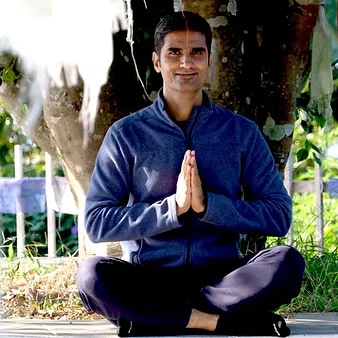
Hardik Mehta
Hardik is an E-RYT 500 & YACEP (Yoga Alliance Continuing Education Provider), Yoga Alliance, USA. He has been practicing yoga for the last 9 years. Prior to finding his true calling in Yoga, he was working with various corporates for 12 years in the Retail and eCommerce sector.