
Every year, the world pauses to reflect on one powerful idea—happiness matters. International Happiness Day, celebrated on March 20, reminds us that success, wealth, and achievements mean little without inner contentment. Recognized by the United Nations, this day encourages individuals and communities to prioritize well-being as a fundamental human goal.
But here’s a question worth asking: How do we cultivate real, lasting happiness?
One timeless answer is yoga.
Yoga is more than physical exercise. It is a holistic practice that aligns the body, mind, and spirit. On Happiness Day, there is no better way to celebrate than by embracing yoga as a lifestyle—one that nurtures balance, peace, and sustainable joy.
Let’s explore how yoga and happiness are deeply connected, and how you can use this ancient practice to transform your life.
Why Happiness Matters More Than Ever
In today’s fast-paced world, stress has become almost normal. Deadlines, digital overload, career pressure, and social expectations often leave us mentally exhausted. While material comforts have increased, emotional well-being has not necessarily kept pace.
This is why the concept behind Happiness Day is so important. It reminds us that:
- Mental health is as important as physical health
- Emotional balance improves productivity
- Inner peace enhances relationships
- Collective happiness builds stronger communities
However, happiness is not something we “achieve.” It is something we cultivate daily—and yoga offers practical tools to do just that.
The Science Behind Yoga and Happiness
Yoga has been practiced for thousands of years, but modern research now validates its powerful impact on mental well-being.
Here’s how yoga supports happiness:
1. Reduces Stress Hormones
Yoga lowers cortisol levels (the stress hormone). Through breath control and mindful movement, the nervous system shifts from “fight or flight” to “rest and relax.”
2. Boosts Mood-Enhancing Chemicals
Regular yoga practice increases serotonin and dopamine levels—chemicals associated with happiness and emotional stability.
3. Improves Emotional Regulation
Meditation and pranayama (breathing techniques) improve awareness of thoughts and emotions, helping you respond calmly instead of reacting impulsively.
4. Enhances Mind-Body Connection
When you become aware of your body and breath, you begin to live more consciously. This awareness naturally reduces anxiety and increases contentment.
In short, yoga doesn’t just make you flexible—it makes you emotionally resilient.
Yoga Practices to Celebrate Happiness Day
If you want to honor Happiness Day meaningfully, try incorporating these simple yoga practices into your routine.
 1. Sun Salutation (Surya Namaskar)
A complete body workout that energizes the system and improves circulation. It awakens your body and sets a positive tone for the day.
2. Heart-Opening Poses
Postures like Bhujangasana (Cobra Pose) and Ustrasana (Camel Pose) open the chest, improve posture, and symbolically release emotional tension.
3. Pranayama (Breathing Exercises)
- Anulom Vilom – Balances the nervous system
- Bhramari – Reduces anxiety
- Deep diaphragmatic breathing – Promotes calmness
Breathing consciously for even five minutes can shift your mood instantly.
4. Gratitude Meditation
Sit quietly and reflect on three things you are grateful for. Gratitude shifts focus from scarcity to abundance—a key factor in long-term happiness.
The Philosophy of Yoga: Happiness from Within
True yoga is not limited to physical postures. According to yogic philosophy, happiness arises from inner harmony.
The ancient yogic system emphasizes:
- Ethical living (Yamas & Niyamas)
- Discipline and self-study
- Mindfulness and meditation
- Detachment from material outcomes
When we stop chasing happiness externally and begin cultivating it internally, something profound happens—we realize joy is already within us.
This philosophy aligns beautifully with the spirit of Happiness Day. It reminds us that happiness is not dependent on circumstances but on awareness.
Community, Connection & Collective Joy
Happiness grows when shared.
Yoga communities often create safe spaces where people feel supported, encouraged, and understood. Practicing in groups builds connection and reduces feelings of isolation.
International Happiness Day is not just about individual well-being—it’s about collective upliftment. Group yoga sessions, community meditations, or wellness workshops can create powerful positive energy.
When individuals become happier, communities become healthier.
Making Yoga a Daily Habit for Sustainable Happiness
Celebrating Happiness Day once a year is meaningful—but making yoga a daily habit is transformative.
Here’s how to start:
 Start Small
Even 15–20 minutes a day can make a difference.
Be Consistent
Consistency matters more than intensity.
Focus on Breath
Breath awareness is the simplest way to access calm.
Learn from Trained Teachers
Proper guidance ensures safety and a deeper understanding.
This last point is crucial. Yoga is not just movement—it’s a structured discipline. Learning it from experienced teachers helps you understand alignment, philosophy, and teaching ethics.
From Personal Happiness to Professional Purpose
Have you ever considered turning your passion for yoga into a meaningful career?
Happiness expands when shared. Teaching yoga is one of the most fulfilling ways to contribute to others’ well-being. Becoming a certified yoga teacher allows you to:
- Deepen your personal practice
- Understand anatomy and alignment
- Learn yogic philosophy authentically
- Guide others toward healthier lives
If Happiness Day inspires you to go beyond personal practice, structured teacher training programs can be the next step.
Deepen Your Journey with Sayujya Yoga
If you are serious about understanding yoga beyond surface-level practice, structured learning is essential. One platform that supports this deeper journey is Sayujya Yoga.
Sayujya Yoga focuses on Yoga Teacher Training Programs, designed to equip aspiring teachers with comprehensive knowledge of:
- Asanas (postures)
- Pranayama techniques
- Meditation practices
- Yoga philosophy
- Anatomy and physiology
- Teaching methodology
Unlike casual fitness classes, teacher training programs emphasize traditional foundations combined with modern understanding. This structured approach aligns perfectly with the spirit of Happiness Day—because true happiness comes from knowledge, discipline, and self-awareness.
By enrolling in a teacher training program, you don’t just improve your flexibility—you expand your consciousness. You learn how to cultivate inner joy and help others do the same.
Yoga education creates a ripple effect:
1 trained teacher → hundreds of students → thousands of positive transformations.
That is how individual happiness becomes collective well-being.
Happiness Day: A Reminder, Not a Destination
International Happiness Day is a beautiful reminder—but happiness itself is not a one-day event.
It is:
- A daily breath
- A conscious choice
- A disciplined practice
- A mindset of gratitude
Yoga provides practical tools to build this mindset consistently. Through mindful movement, conscious breathing, meditation, and ethical living, yoga becomes a pathway to sustainable joy.
This Happiness Day, instead of seeking excitement outside, turn inward. Roll out your mat. Close your eyes. Take a deep breath.
Happiness is already there.
Final Thoughts
The connection between Happiness Day and yoga is natural and powerful. Both emphasize inner balance, emotional health, and mindful living. While modern life often distracts us from peace, yoga gently guides us back to ourselves.
Whether you are a beginner exploring simple breathing techniques or someone ready to pursue professional teacher training, yoga offers endless growth opportunities.
Celebrate Happiness Day not just with a smile—but with a practice.
Because when the mind is calm, the body is balanced, and the heart is open, happiness flows effortlessly.
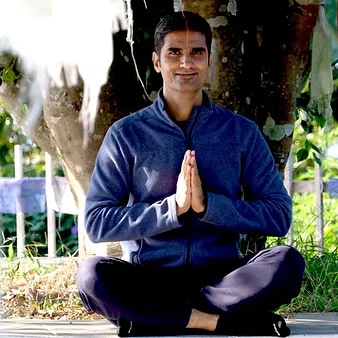
Hardik Mehta
Hardik is an E-RYT 500 & YACEP (Yoga Alliance Continuing Education Provider), Yoga Alliance, USA. He has been practicing yoga for the last 9 years. Prior to finding his true calling in Yoga, he was working with various corporates for 12 years in the Retail and eCommerce sector.