
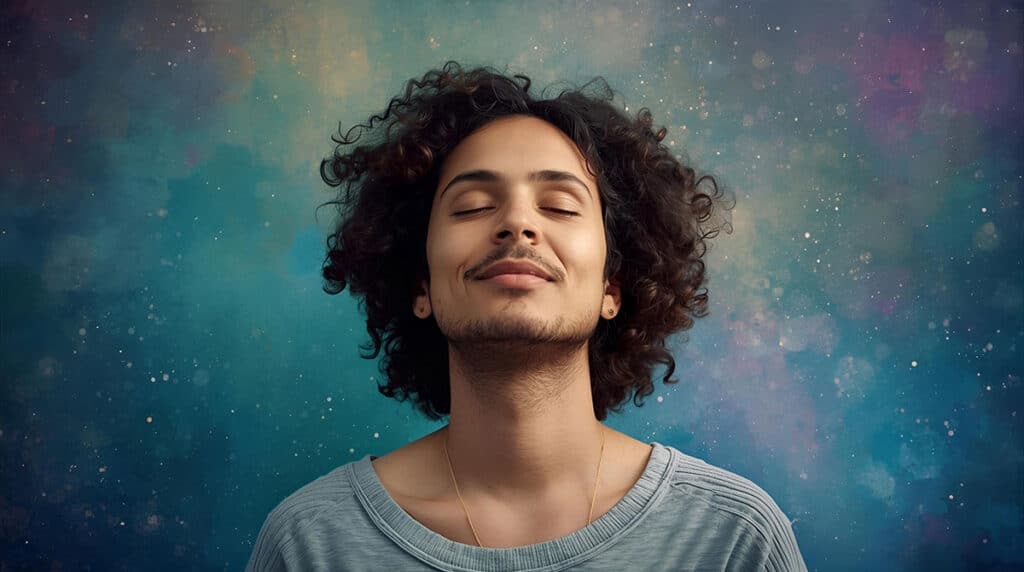
In the rush of daily life—meetings, deadlines, endless notifications—few things cost us so little yet pay such profound dividends as a well-placed breath. Learning to breathe to enjoy the present moment isn’t just a mindfulness slogan; it’s a doorway to calm focus, deeper connection, and a richer experience of life. In this post, you’ll discover how cultivating simple yet intentional breathing practices can ground you in the present moment, relieve stress, and foster a more meaningful awareness of yourself and your surroundings.
Why Breathing Matters for the Present Moment
Every moment we inhale and exhale, we’re given a chance to return to the “here and now.” Yet all too often our minds wander—to future worries, past regrets, or endless “to-do” lists. When we let our breath lead, three powerful shifts happen:
- Anchoring the mind – A gentle inhale or exhale becomes a marker: “I am here.”
- Reducing physiological stress – When we breathe slowly and mindfully, the body’s sympathetic nervous system relaxes, heart rate and blood pressure ease.
- Cultivating awareness – With each breath, we can notice thoughts, feelings, and sensations without judgment, simply observing.
This is the essence of breathing to enjoy the present moment: not forcing the breath, but letting the breath guide you back to the present.
A Simple Beginner’s Practice: The 3-2‐5 Pause
You don’t need a cushion, incense, or two hours of solitude. Here’s a quick practice you can use almost anywhere:
- Sit or stand comfortably.
- Inhale slowly for 3 seconds.
- Hold gently for 2 seconds (optional if that feels comfortable).
- Exhale slowly for 5 seconds.
- Repeat this cycle 5–10 times.
During each exhale, imagine releasing tension, letting go of the mental chatter that pulls you away from now. After the practice, take a moment to notice how your body and mind feel. This isn’t about perfection—it’s about presence.
Integrating Mindful Breathing into Daily Life
You don’t have to set aside a half-hour every day to benefit. Integrating mindful breathing throughout your day builds a habit of returning to “now.” Here are some ideas:
- Morning transition: Before launching your phone or email, take three full, conscious breaths.
- Between tasks: After finishing one activity, pause for a breath or two before the next.
- While eating: At the start of each meal or snack, breathe in gratitude, breathe out distraction.
- Walking: As you walk—even to the mailbox—match your steps with your breathing: inhale 2 steps, exhale 3.
- Evening wind-down: Lie down, place one hand on your belly. Breathe slowly, feeling the hand rise and fall. Let thoughts come and go like clouds.
These micro-pauses are powerful—they collapse the gap between living on autopilot and fully inhabiting this very moment.
What Happens When We Truly Breathe in the Present
When you make mindful breathing a practice, more than just physical calm begins to unfold:
- Sharper focus: With fewer intrusive thoughts about “what’s next”, you’re more present with what’s happening now—listening better, seeing more clearly.
- Improved emotional regulation: Emotional reactivity often comes when our mind is elsewhere. Breathing pulls us back, giving space to respond rather than react.
- Deepened appreciation: Time slows, even if just slightly. Taste your food more fully. Feel the texture of your shirt. Notice the light and shadow around you.
- Better relationships: Being fully present with others—eyes, breath, body—creates connection. Others feel seen. Conversations feel richer.
- Greater resilience: When challenges arise, a breath becomes a tool: not to ignore what’s happening, but to center yourself so you can respond from clarity.
In short: breathing mindfully is not a distraction from life—it’s an invitation into it.
Common Challenges & How to Overcome Them
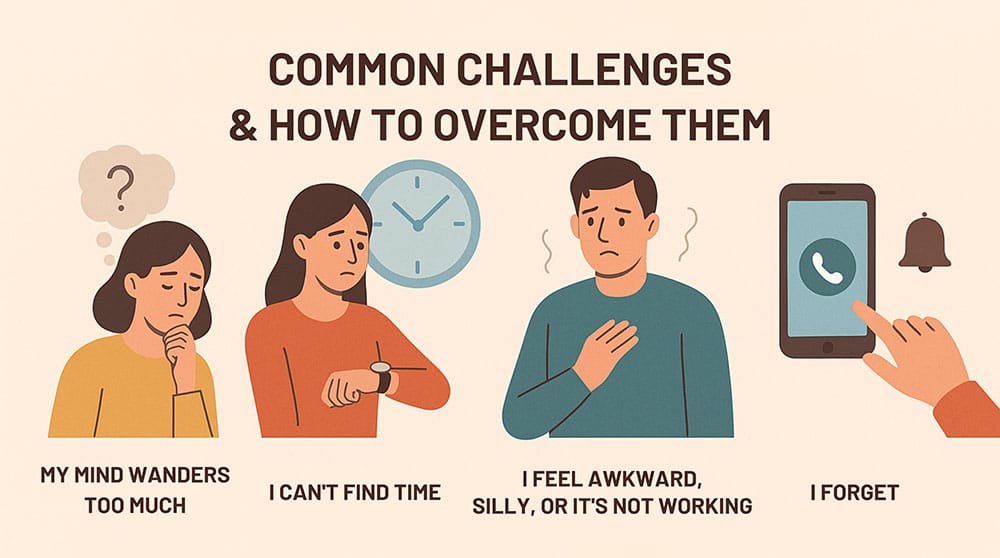
You might try breathing exercises and notice a few sticking points. That’s totally normal. Here are some common ones and helpful tweaks:
- “My mind wanders too much.”
→ This is exactly what the breath helps with. When you notice the mind wandering, gently return to the inhale or exhale. No judgment. - “I can’t find time.”
→ That’s why we build micro-pauses. Even 30 seconds of mindful breathing can reset the nervous system. - “I feel awkward, silly, or it’s not working.”
→ Mindfulness isn’t about perfection or immediate transformation. It’s the act of showing up. Show up to your breath. - “I forget.”
→ Use cues: the phone ringing, rising from your chair, stepping into the shower—let these trigger a gentle conscious breath.
Remember: it’s the consistency of returning to the breath that matters more than doing it “perfectly”.
Deepening the Practice: Belly Breathing & Counting
Once you’re comfortable with the basic pause, you might expand into a slightly deeper style:
- Belly Breathing (Diaphragmatic Breathing): Place one hand on your chest, one on your belly. As you inhale, allow the belly to expand more than the chest. Exhale, let the belly gently contract.
- Counting Method: Inhale 4 seconds → exhale 6 seconds. Adjust to what feels comfortable (never force). As you count, begin to notice subtle sensations: the pulse at your wrist, the subtle release of your shoulders, the gentle flow of air in and out of your nostrils.
- Observation Mode: After a few breaths, simply observe: “What is here now?” Notice sounds, smells, textures, your surroundings—and keep your awareness anchored in your breathing rhythm.
These deeper tools help your breath become a gateway into richer present-moment experience.
Breathing + Present-Moment Awareness = A Habit for Life
When you marry intentional breath with present‐moment awareness, you’re building a habit that supports well‐being, resilience, and clarity across all of life—not just formal “practice time.” Here’s a simple framework you can adopt:
Cue → Breath → Presence → Action
- Cue: Something happens (you sit down, you open a door, you hear an alert).
- Breath: You take one to three mindful breaths.
- Presence: You ask, “What is real now?” You quietly observe.
- Action: Whatever’s next—email, conversation, meal—you do it more fully, intentionally.
Over time, that loop becomes second-nature, and your default moves toward presence instead of preoccupation.
Why This Matters for Stress, Anxiety & Life Balance
In our modern lives, stress often comes from feeling out of time—future obligations pressing, past regrets lingering, present moments missed. By consciously breathing and anchoring in the now you:
- Interrupt the “future/rumination” loop.
- Shift body chemistry toward parasympathetic (rest & digest) rather than fight-or-flight.
- Increase clarity: less mental clutter means better decision-making, less overwhelm.
- Foster balance: the present moment is more than a “pause” between tasks—it is the task.
Breathing to enjoy the present moment isn’t a luxury—it’s a lifeline.
Sayujya Yoga & the Art of Presence
Sayujya Yoga is a Yoga Alliance affiliated, couple-run yoga school based in Mumbai, offering 200-hour teacher training and yoga short-courses.
Why the website is relevant to this blog
- Breathing and present-moment awareness are foundational to authentic yoga practice—this blog emphasises that.
- Sayujya Yoga offers structured training (200-hour YTTC) that deepens the kind of awareness this article advocates.
- Whether you are new to breathing techniques or ready to refine your practice, the site serves as a gateway to guided learning, community and sustained immersion.
Final Thoughts
The breath you’re taking right now is the only moment you truly own. Nothing in the past can be changed; nothing in the future can be fully predicted. But this breath, this moment, is yours. Use it. Anchor your awareness. Enjoy the present. Over time, with intention, you’ll find that the ordinary becomes meaningful, the rushed becomes calm, and the scattered mind becomes grounded.
When you commit to breathing to enjoy the present moment, you’re choosing presence over distraction, connection over isolation, clarity over chaos. And you’re doing it with the most accessible tool you have: your own breath.
Breathe deeply. Be fully here. Live the moment.
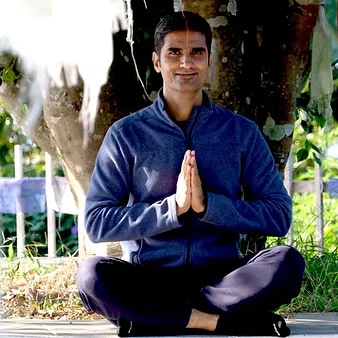
Hardik Mehta
Hardik is an E-RYT 500 & YACEP (Yoga Alliance Continuing Education Provider), Yoga Alliance, USA. He has been practicing yoga for the last 9 years. Prior to finding his true calling in Yoga, he was working with various corporates for 12 years in the Retail and eCommerce sector.